+1 760-685-3909

Home/ Blog Details
Top Mistakes Homeowners Make with Travertine Maintenance
10 November, 2025
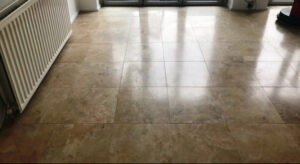
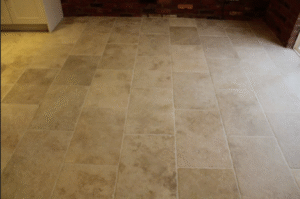
Travertine floors exude natural charm and timeless sophistication, making them a favorite among homeowners who value classic design and durability. However, maintaining the beauty of travertine requires more than occasional mopping or wiping. It’s a natural stone that demands specialized care and attention. Without proper maintenance, even the most stunning travertine floors can lose their shine, develop stains, or require expensive travertine floor restoration.
Unfortunately, many homeowners unknowingly make mistakes that speed up the wear and tear process. From using the wrong cleaning agents to skipping sealing and professional maintenance, these errors can lead to irreversible damage. Let’s uncover the most common travertine maintenance mistakes and learn how to prevent them effectively, ensuring your floors remain as radiant as the day they were installed.
1. Using Harsh or Acidic Cleaners
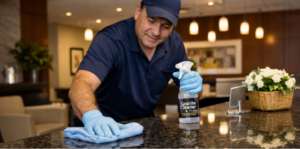
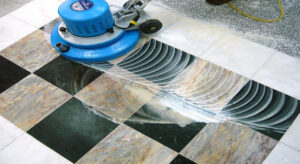
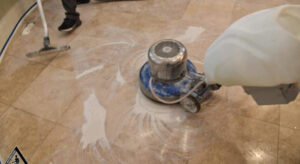
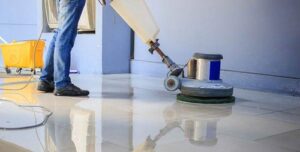
Travertine is a form of limestone, which means it’s sensitive to acidic substances. One of the biggest and most damaging mistakes homeowners make is using harsh cleaners like vinegar, bleach, ammonia, or lemon-based products. While these solutions might seem harmless, they can etch the surface, leaving dull patches and rough textures. Over time, these micro-damages accumulate and lead to a loss of luster, requiring extensive travertine floor restoration to fix. The right way to clean travertine is to use pH-neutral cleaners specifically formulated for natural stone. These products gently lift dirt and grime without reacting chemically with the stone. You should also avoid abrasive pads or scrubbing brushes that can scratch the polished surface. When performing travertine floor cleaning, always use a soft mop or microfiber cloth, and immediately dry the floor afterward to avoid water spots. For long-lasting results, homeowners should schedule a professional travertine floor cleaning service at least twice a year. Professionals use specialized machines and non-acidic solutions that not only clean the surface deeply but also preserve the stone’s natural sheen. Remember—using the wrong cleaner might save a few minutes today but can cost you a full restoration tomorrow.2. Skipping Regular Sealing
Travertine, like most natural stones, is porous. This means it readily absorbs liquids, oils, and dirt if left unsealed. One of the most common mistakes homeowners make is skipping or delaying the sealing process. Without a proper sealant, water and spills can seep deep into the stone’s pores, causing discoloration, staining, and even erosion. Over time, this neglect may demand a complete travertine floor restoration, which is both time-consuming and expensive. Sealing acts as a protective barrier that prevents liquids from penetrating the stone. Depending on foot traffic and usage, it’s generally recommended to reseal travertine floors once or twice a year. High-traffic areas like kitchens or hallways might need more frequent sealing than lesser-used rooms. A simple way to check whether your floor needs resealing is the “water drop test.” Sprinkle a few drops of water on the surface; if they get absorbed quickly instead of beading up, it’s time to reseal. Professional travertine floor restoration experts use high-quality sealants designed for specific finishes—matte, polished, or honed. They ensure even application and complete coverage, reducing the risk of staining. Skipping this essential step not only dulls the look of your travertine but also makes cleaning more difficult in the long run. Regular sealing is not an optional luxury—it’s an absolute necessity for preserving the elegance and longevity of your stone flooring.3. Allowing Spills to Sit for Too Long
Travertine’s porous surface makes it especially vulnerable to spills. Whether it’s coffee, wine, fruit juice, or cooking oil, letting liquids sit on your travertine floors is a costly mistake. Unfortunately, many homeowners overlook small spills or delay wiping them, thinking it’s harmless. But once a liquid penetrates the pores, it can leave behind deep stains that regular travertine floor cleaning can’t remove. To protect your travertine from permanent damage, immediate action is crucial. When a spill occurs, gently blot—never wipe—the area with a soft, absorbent cloth. Wiping can spread the liquid and push it deeper into the stone. After blotting, use a pH-balanced cleaner and warm water to clean the area. Avoid acidic or soapy solutions, as they can dull the stone’s finish. Dry the surface thoroughly afterward to prevent moisture from seeping in. If you notice dull spots, dark stains, or discoloration, it’s best to call in a travertine floor restoration specialist. Professionals can use advanced cleaning techniques and poultices to draw out embedded stains safely without harming the stone. Moreover, applying a fresh coat of sealant after stain removal adds an extra layer of protection. Remember, travertine is like skin—it absorbs whatever touches it. The quicker you respond to spills, the healthier and more beautiful your flooring will remain.4. Neglecting Regular Dusting and Sweeping
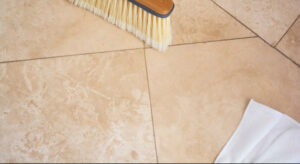
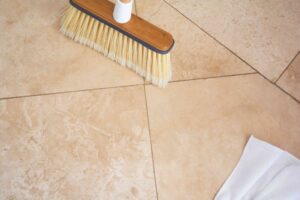
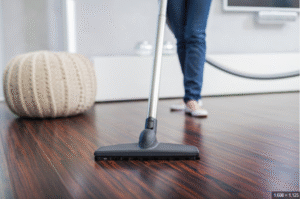
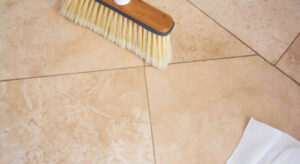
Travertine’s smooth texture may make it appear resilient, but it’s surprisingly prone to scratching and dulling from everyday dust and dirt. One of the most overlooked mistakes homeowners make is failing to dust or sweep their floors regularly. Tiny debris, sand, and grit act like fine sandpaper underfoot, scratching the stone’s surface and wearing away its polish over time. Without consistent cleaning, the surface becomes dull, uneven, and eventually requires professional travertine floor restoration to restore its shine. To prevent this, dust or vacuum your floors daily using a microfiber mop or a vacuum cleaner with a soft-bristle attachment. Avoid brooms with stiff bristles—they can cause micro-abrasions that worsen over time. You can also place floor mats at entrances to trap dirt before it spreads indoors. Periodic mopping using a travertine floor cleaning solution helps eliminate lingering grime, but remember to use only a damp mop—not a soaking one—to prevent water damage. Professional maintenance should also be part of your routine. Expert travertine floor cleaning services use specialized dust removal systems and polishing pads that lift embedded dirt and restore the stone’s original brilliance. With consistent upkeep, you can enjoy gleaming floors that reflect both elegance and care—without having to invest in costly restorations later.5. Using the Wrong Mop or Too Much Water
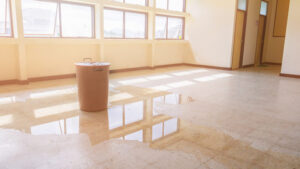
While it may seem harmless, using excessive water during cleaning is another major mistake that damages travertine floors. Being a porous material, travertine readily absorbs moisture, which can weaken the stone from within, leading to discoloration, mold growth, and structural damage. Many homeowners assume that using more water or a steam mop will result in a cleaner floor, but in reality, it accelerates deterioration and shortens the floor’s lifespan. For proper travertine floor cleaning, always use a slightly damp microfiber mop. Avoid soaking the floor or letting puddles sit for long periods. After cleaning, dry the surface immediately with a clean towel or dry mop to prevent water spots. Steam cleaners should never be used on travertine as the high heat can strip away sealants and cause cracks or etching. For stubborn stains or grime buildup, it’s best to call professionals who specialize in travertine floor restoration and deep cleaning. They use low-moisture methods and safe, neutral pH cleaning agents that effectively remove dirt without harming the stone. Additionally, they can polish and reseal the floor after cleaning to restore its original sheen. The right technique, combined with controlled moisture levels, can keep your travertine looking flawless for decades.6. Ignoring Scratches and Dull Spots
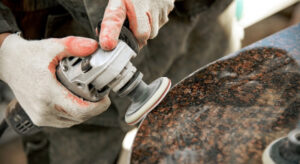
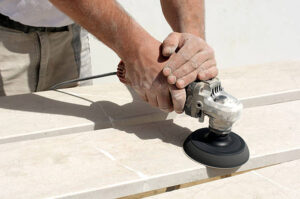
Travertine floors can naturally develop small scratches, chips, or dull patches over time, especially in high-traffic areas. However, ignoring these early warning signs is one of the costliest mistakes homeowners make. Small imperfections that seem harmless today can quickly worsen, leading to extensive surface damage that requires a complete travertine floor restoration. Regular inspection is key. If you notice faded spots or micro-scratches, contact a professional immediately. Experts use specialized polishing pads, diamond abrasives, and honing techniques to smooth out imperfections and restore the floor’s original gloss. They can also reapply sealants and finish coats to prevent future damage. Preventive maintenance also goes a long way in avoiding scratches. Use felt pads under furniture legs, avoid dragging heavy objects, and place rugs in high-traffic zones. Regular travertine floor cleaning with non-abrasive tools ensures that grit doesn’t accumulate and scratch the surface. Travertine is a living stone that can be rejuvenated time and again—but only with timely attention. By addressing small issues early, you extend your floor’s life and preserve its luxurious appearance.7. Skipping Professional Maintenance
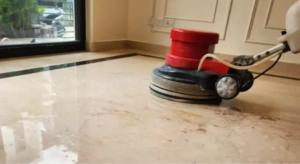
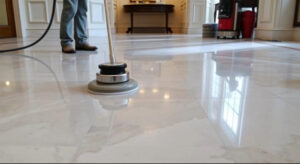
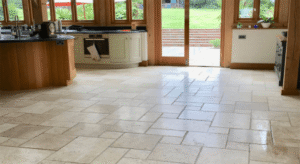
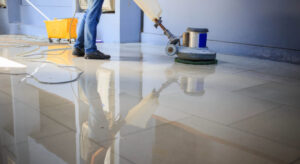
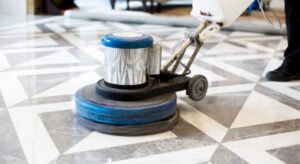
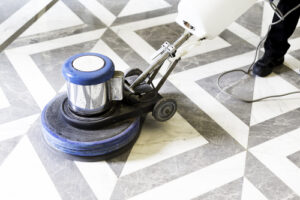
Many homeowners believe that routine mopping and DIY cleaning are enough to maintain their travertine floors. Unfortunately, this mindset often leads to premature dullness and deterioration. Travertine needs more than just basic care—it requires professional expertise. Skipping periodic travertine floor cleaning and restoration can result in a buildup of grime, etching, and loss of sealant protection. Professional cleaning goes beyond surface-level care. Experts use advanced equipment, eco-friendly stone-safe cleaners, and polishing techniques that rejuvenate the floor without causing harm. They also inspect for cracks, unsealed edges, and areas needing repair. A typical maintenance schedule involves professional travertine floor cleaning every six to twelve months, depending on traffic levels, along with sealing and polishing as needed. Regular professional attention ensures that your travertine retains its natural glow and structural integrity. It also saves you money in the long run by preventing major restoration costs. So, instead of waiting for your floor to lose its charm, invest in preventive care. A certified travertine floor restoration service not only restores the beauty of your floors but also enhances their longevity, ensuring they continue to elevate your home’s elegance for years to come.Conclusion
Travertine flooring is a statement of style, luxury, and timeless appeal—but only if maintained correctly. Avoiding simple mistakes like using acidic cleaners, skipping sealing, or delaying professional maintenance can make all the difference between a dull floor and one that gleams with elegance. When your floor starts losing its shine or shows signs of wear, call a trusted travertine floor restoration specialist. With the right blend of daily care and professional expertise, you can ensure your travertine floors remain as stunning and durable as the day they were installed.- granite restoration
- Marble Cleaning
- Stone Restoration
- Travertine Discolouration
- travertine floor

 .
.