+1 760-685-3909

Home/ Blog Details
How restoration brings back the natural beauty of travertine
10 January, 2026
Travertine is a luxurious natural stone prized for its elegance, warmth, and timeless appeal. Whether used in residential or commercial spaces, travertine floors and tiles bring sophistication and a natural charm that is unmatched by other flooring materials. However, like all natural stones, travertine is susceptible to wear and tear over time. Daily foot traffic, spills, dirt accumulation, and environmental factors can leave your floors looking dull, scratched, or discolored. This is where travertine floor restoration becomes essential. Restoration is not merely cleaning—it is a comprehensive process designed to revive the stone’s natural luster, maintain its durability, and enhance its aesthetic appeal.
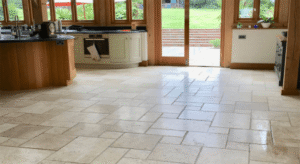
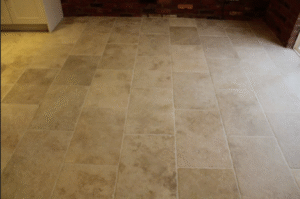
Properly restored travertine can transform an entire space, making it look fresh, elegant, and inviting once again. From minor polishing to full-scale refinishing, restoration ensures that the inherent beauty of travertine is preserved and even enhanced, allowing your floors to continue making a statement for years to come. By choosing professional restoration services, homeowners and businesses can protect their investment while enjoying floors that look as magnificent as when they were first installed.
Understanding Travertine Floor Restoration
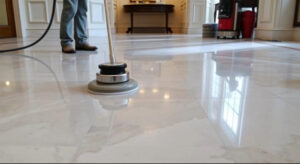
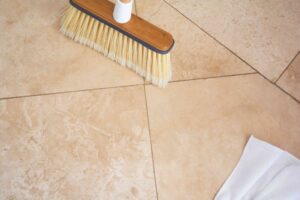
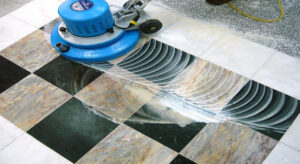
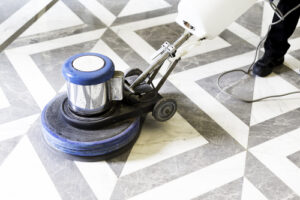
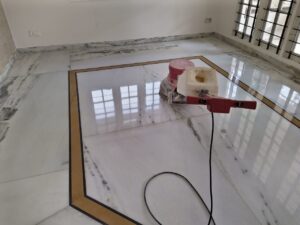
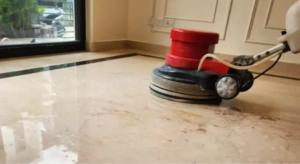
Travertine floor restoration is a specialized service aimed at reviving the natural beauty and functionality of your stone flooring. The process goes far beyond basic maintenance or casual cleaning, addressing deeper issues such as scratches, stains, etches, and surface dullness. The first stage of restoration usually involves a thorough travertine floor cleaning, which removes surface dirt, grease, and grime that accumulate over time. Professional cleaners use pH-neutral products and advanced equipment to avoid damaging the delicate stone while ensuring that every corner is cleaned. Once the surface is prepared, experts assess the flooring to identify areas requiring more intensive care. This may include grinding to level uneven surfaces, honing to remove minor imperfections, or polishing to restore the natural shine. Each step is designed to bring out the stone’s unique patterns, colors, and textures, ensuring that the floor regains its original elegance. Additionally, sealing the travertine at the end of the restoration process provides a protective barrier against future damage, making it easier to maintain and prolonging the stone’s lifespan. Overall, travertine floor restoration not only enhances the aesthetic appeal but also strengthens the durability and longevity of your floors, making it a wise investment for anyone looking to preserve the value and beauty of their property.The Process of Travertine Tile Restoration
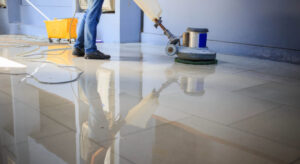
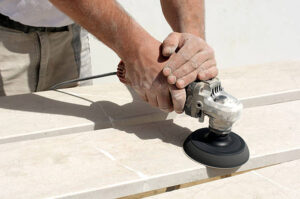
Travertine tile restoration is a multi-step procedure focused on returning worn or damaged tiles to their original glory. The process begins with an in-depth assessment of each tile to determine the extent of wear, scratches, or staining. Experts then perform travertine floor cleaning to remove embedded dirt, mineral deposits, and other residues that can dull the stone’s surface. The next step often involves grinding or honing the tiles. Grinding removes surface-level scratches and uneven areas, while honing ensures the floor is smooth and uniform. Once the tiles are leveled, the polishing stage brings out the stone’s natural patterns and luster, making each tile visually striking. The final step in tile restoration is sealing, which protects the stone against future spills, stains, and foot traffic. Sealing is especially crucial for high-traffic areas, as it prevents the stone from absorbing dirt or liquids that could cause permanent damage. Properly restored tiles not only enhance the overall aesthetic of the room but also make maintenance easier, as sealed surfaces repel dirt and debris. Travertine tile restoration is a meticulous process that requires professional skill, specialized equipment, and high-quality products. The result is a beautifully renewed floor that looks as vibrant and pristine as the day it was installed, providing homeowners with a combination of elegance, durability, and ease of maintenance.Benefits of Refinishing Travertine Floors
Choosing to refinish travertine floors is an effective way to rejuvenate stone surfaces that have lost their original appeal. Refinishing involves carefully sanding, polishing, and sealing the stone to remove scratches, stains, and dull areas, revealing the natural beauty beneath. One of the primary benefits of refinishing is the restoration of aesthetic appeal. Travertine floors regain their warm, earthy tones, and the natural textures of the stone become more pronounced, creating an inviting and luxurious look. Another significant advantage is increased durability. Polished and sealed floors are better protected against foot traffic, spills, and wear, making them less prone to damage over time. Refinishing also adds value to the property by enhancing the overall appearance and creating a polished, professional look that appeals to potential buyers or visitors. Additionally, refinished travertine floors are easier to maintain, as the sealed surface repels dirt, dust, and stains, reducing the frequency and intensity of cleaning required. Homeowners who invest in refinishing are also protecting their long-term investment, as properly cared-for travertine can last for decades while maintaining its natural elegance. Overall, refinishing is not just cosmetic—it is a practical solution that combines visual enhancement with functional benefits, ensuring that travertine flooring remains both beautiful and resilient for years to come.Maintaining Travertine Floors After Restoration
After undergoing travertine floor restoration or refinishing, proper maintenance is crucial to preserving the beauty and longevity of your floors. Routine travertine floor cleaning involves gentle sweeping or vacuuming to remove dust and debris that can scratch the stone. Damp mopping with pH-neutral cleaners ensures that the surface remains spotless without causing chemical damage. Avoiding harsh cleaning agents is essential, as acidic or abrasive products can erode the stone and diminish its natural luster. Periodic professional cleaning can help address deep-seated stains or accumulated mineral deposits that are difficult to remove with regular cleaning alone. Additionally, inspecting the floors for signs of wear and resealing them as necessary will extend the life of the restoration. Protective measures, such as using rugs in high-traffic areas and placing pads under furniture, can also prevent scratches and other damage. Maintaining a consistent cleaning and care routine ensures that the investment made in travertine tile restoration continues to pay off, keeping the floors vibrant and attractive. With proper maintenance, your restored travertine will remain a centerpiece of elegance and sophistication in your home or commercial space for many years.Why Professional Travertine Floor Restoration Matters
While travertine floor cleaning and DIY maintenance can help keep your floors presentable, professional travertine floor restoration provides benefits that cannot be achieved through home methods alone. Experts bring specialized tools, high-quality products, and extensive knowledge about the characteristics of travertine, ensuring that the restoration process is both safe and effective. Using improper cleaning agents or techniques at home can cause irreversible damage, including etching, staining, or dulling of the natural stone. Professionals, on the other hand, perform a thorough assessment of the flooring, determining the precise techniques needed—whether it’s honing, polishing, or full-scale refinishing. In addition to restoring aesthetics, professional services also enhance durability, helping the travertine resist future wear, stains, and scratches. Moreover, professional restoration can reveal hidden potential in older flooring; tiles that seem worn or discolored can regain their original vibrancy, making spaces look newly installed. For commercial properties with high foot traffic, professional restoration is especially valuable, as it ensures that the floors remain both visually appealing and safe. Beyond aesthetics, proper restoration can also improve hygiene by removing deep-seated dirt, mold, or bacteria trapped in porous surfaces. Investing in expert travertine tile restoration not only preserves the natural beauty of your floors but also extends their lifespan, protecting your investment while enhancing the overall elegance of your property.Common Problems Addressed by Travertine Tile Restoration
Travertine floors, while durable, are prone to certain problems that gradually diminish their natural beauty. Over time, issues such as scratches, etches, discoloration, and dulling can occur, especially in high-traffic areas or homes with pets and children. Travertine floor cleaning can remove surface dirt, but it often cannot address these deeper issues. Scratches and small cracks, for instance, require specialized honing or grinding to smooth the stone without causing further damage. Stains from spills, including wine, coffee, or acidic substances, may penetrate the porous stone, leaving marks that home cleaning alone cannot eliminate. Over time, natural wear can make the travertine appear faded or uneven in texture, further reducing its visual appeal. Through travertine tile restoration, these problems are carefully corrected. Deep cleaning removes embedded dirt, while honing and polishing restore smoothness and shine. Applying a high-quality sealant prevents future damage, keeping the stone protected from spills, dirt, and wear. Even old or heavily worn floors can be revitalized to resemble newly installed tiles, highlighting travertine’s rich patterns and earthy tones. Addressing these common problems not only enhances aesthetic appeal but also increases the functional lifespan of your floors, making restoration an essential step for anyone looking to maintain the elegance of their travertine surfaces.How Refinishing Travertine Floors Preserves Longevity
Refinishing is one of the most effective ways to maintain the long-term beauty and durability of travertine. Refinish travertine floors involves carefully sanding, polishing, and sealing the stone, which eliminates imperfections caused by years of use. This process strengthens the surface, making it more resistant to scratches, stains, and other forms of damage. A well-executed refinishing project also ensures that the stone retains its natural patterns, colors, and texture, preventing the floor from appearing dull or lifeless. Another advantage of refinishing is that it reduces maintenance efforts. Sealed and polished travertine is easier to clean and less prone to staining, allowing homeowners to maintain a pristine appearance with minimal effort. Refinishing also protects the stone from environmental factors such as moisture and acidic spills, which can erode untreated surfaces over time. Over the long term, investing in refinish travertine floors not only preserves the original elegance of the stone but also prevents costly repairs or premature replacement. This process is especially beneficial for high-traffic areas, commercial spaces, or homes where travertine is exposed to frequent use, ensuring the stone remains both beautiful and resilient for decades. By combining aesthetic restoration with functional protection, refinishing offers a comprehensive solution for maintaining the natural appeal and longevity of travertine flooring.Tips for Maintaining Restored Travertine Floors
After undergoing travertine tile restoration or refinishing, proper maintenance is critical to prolonging the stone’s beauty. Regular travertine floor cleaning should be gentle and consistent. Sweep or vacuum daily to remove dust and debris that could scratch the surface. Damp mopping with pH-neutral cleaners is recommended, as acidic or abrasive products can damage the stone. Using mats or rugs in high-traffic areas can protect floors from wear and tear, while furniture pads prevent scratches from heavy furniture. Immediate attention to spills prevents staining, especially from acidic substances like citrus, wine, or vinegar. Periodically, professional cleaning and resealing can restore protection and enhance shine. Avoiding DIY polishing with harsh materials preserves the integrity of the stone. Proper care not only keeps the travertine visually stunning but also ensures durability and reduces the need for frequent restoration. By following these tips, homeowners can maximize the benefits of travertine floor restoration, keeping floors elegant, resilient, and easy to maintain for years.Choosing the Right Professionals for Travertine Restoration
Selecting the right experts for travertine floor restoration is crucial to ensure the process is effective, safe, and long-lasting. Not all cleaning services or contractors have the experience or knowledge necessary to work with delicate natural stone. Travertine requires specific techniques such as honing, polishing, and sealing, which, if done incorrectly, can cause permanent damage including etching, uneven surfaces, or dulling. A professional team specializing in travertine tile restoration will begin with a thorough assessment of your floors, identifying areas of wear, discoloration, or structural concern. They use high-quality, stone-safe products and advanced equipment to remove dirt, scratches, and stains without compromising the integrity of the stone. Experienced technicians also know the appropriate sealing solutions to protect your floors against future damage and reduce maintenance efforts. When hiring professionals, it’s important to verify their credentials, review their portfolio of completed projects, and ensure they have experience with refinish travertine floors. Additionally, professional teams often provide guidance on ongoing maintenance, helping homeowners maintain the results of the restoration for years. Choosing the right professionals guarantees that your travertine floors not only regain their natural beauty but are also preserved against long-term wear, making the investment worthwhile and your home or business space more elegant and durable.Common Myths About Travertine Floor Restoration
There are several misconceptions about travertine floor restoration that can prevent homeowners from realizing the full potential of their floors. One common myth is that travertine is low-maintenance and only needs regular sweeping. In reality, without professional travertine floor cleaning and periodic restoration, the stone can become dull, scratched, and stained over time. Another misconception is that DIY polishing kits can fully restore travertine floors. While home kits may offer temporary improvement, they rarely remove deep scratches or stains, and improper use can damage the stone. Some people also believe that sealing is unnecessary. However, sealing is critical to protect the porous stone from moisture, spills, and wear. Finally, many assume that restoration is costly and only for heavily damaged floors. In truth, restoration is a preventative investment that can enhance the appearance, durability, and value of any travertine floor, regardless of its current condition. Professional travertine tile restoration addresses these myths by using expert techniques that both restore beauty and protect the stone, ensuring that the natural elegance of travertine is preserved for years. Understanding these facts helps homeowners make informed decisions about maintaining and enhancing their stone flooring.Conclusion: Preserving the Natural Beauty of Travertine
Travertine is more than just a flooring material—it’s a timeless investment in elegance and sophistication. Over time, everyday use can dull its natural charm, but professional travertine floor restoration ensures that your floors regain their original appeal. Through meticulous travertine floor cleaning, expert travertine tile restoration, and careful refinishing, even worn or damaged stone can be transformed to look brand new. Refinish travertine floors not only restores aesthetic beauty but also increases durability, protects against stains and scratches, and makes maintenance easier. Whether for residential spaces, commercial properties, or high-traffic areas, proper restoration preserves the integrity and longevity of travertine while enhancing the overall ambiance of the space. By investing in professional care and following recommended maintenance routines, homeowners can enjoy luxurious, gleaming floors for decades. Ultimately, travertine restoration is not just about aesthetics—it is about protecting your natural stone investment, improving functionality, and ensuring that the timeless beauty of travertine continues to shine throughout your home or property.- granite restoration
- Marble Cleaning
- Stone Restoration
- Travertine Discolouration
- travertine floor
 .
.