+1 760-685-3909

Home/ Blog Details
How to maintain marble floors between professional cleanings
23 February, 2026
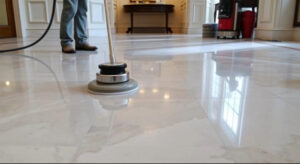
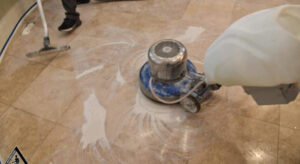
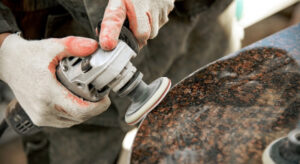
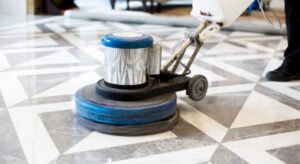
Marble flooring represents a premium architectural investment that requires structured maintenance to preserve its natural elegance and durability. While hiring a professional marble floor cleaning company ensures deep cleaning, polishing, and long-term surface restoration, daily and periodic care between professional visits is equally critical. Marble is a porous and calcium-based natural stone, making it vulnerable to staining, etching, and abrasion if improperly maintained.
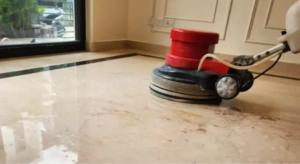
Below is a comprehensive guide explaining how to maintain marble floors effectively between scheduled professional marble cleaning services, while maximizing the results delivered by specialists such as Seaside Stone Restoration.
Understanding Marble Composition and Its Maintenance Requirements
Before implementing any cleaning routine, it is essential to understand the structural and chemical properties of marble. Marble primarily consists of calcium carbonate, which makes it reactive to acids and sensitive to harsh chemicals. Unlike synthetic flooring materials, marble does not have a protective glaze layer. Its polished finish is achieved through mechanical honing and polishing processes, which refine the stone surface to create reflectivity. This natural composition means marble can easily develop etch marks when exposed to acidic substances such as citrus juices, vinegar, wine, or common household cleaners. Even mild abrasives can cause micro-scratches that gradually reduce shine. A professional marble cleaning company uses specialized equipment and pH-balanced products to protect the stone’s integrity, but everyday care must align with these same principles. Understanding these characteristics helps property owners avoid common maintenance errors. Routine care should prioritize gentle cleaning, controlled moisture exposure, and rapid spill response. Improper techniques can compromise the results of professional marble cleaning services and shorten the lifespan of the flooring. Companies such as Seaside Stone Restoration emphasize education as part of their service approach, ensuring clients adopt proper between-visit maintenance habits. When marble’s vulnerabilities are respected and managed correctly, its durability can extend for decades. Knowledge is the first step in preventing avoidable surface deterioration between professional maintenance appointments.Implementing Daily Dry Maintenance to Prevent Surface Abrasion
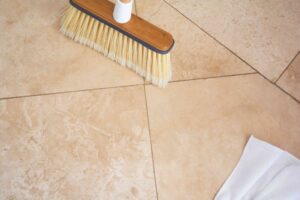
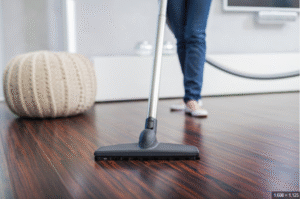
Dry maintenance is the most effective preventive measure for preserving marble’s polished finish. Dust, sand, and small debris particles act as abrasives under foot traffic. Over time, these particles create micro-scratches that dull the surface and diminish reflectivity. Although a professional marble floor cleaning company can restore shine through honing and polishing, preventing abrasion reduces the frequency and intensity of such interventions. Daily dust mopping with a microfiber mop is strongly recommended, particularly in high-traffic areas. Microfiber fibers effectively trap fine particles without dragging them across the surface. Traditional straw or stiff-bristle brooms should be avoided because they may push debris rather than capture it. Vacuuming can also be effective if the vacuum is equipped with a hard-floor attachment and does not use rotating brush heads. Rotary brushes can scratch marble surfaces, especially polished finishes. Entryways should receive particular attention, as these areas accumulate exterior grit that accelerates wear. Installing walk-off mats at entrances significantly reduces abrasive transfer. Even though professional marble cleaning services perform deep surface refinements, consistent dry maintenance preserves those results. Seaside Stone Restoration frequently advises clients that abrasion prevention is one of the most cost-effective maintenance strategies. Regular dust control minimizes surface degradation and ensures marble maintains its natural clarity between scheduled professional cleanings. Preventing scratches at the microscopic level protects both aesthetic appeal and structural integrity over time.Using Proper Wet Cleaning Techniques and pH-Neutral Products
While dry maintenance removes surface debris, periodic wet cleaning is necessary to eliminate residual dirt and maintain hygiene. However, marble requires carefully controlled cleaning methods. Because marble reacts chemically to acidic or highly alkaline substances, only pH-neutral cleaning products specifically formulated for natural stone should be used. A diluted pH-neutral stone cleaner mixed with warm water is sufficient for routine wet maintenance. The mop should be damp rather than saturated. Excess water can seep into grout lines or porous areas, potentially weakening the substrate beneath the marble. Standing water should never be allowed to air-dry on the surface. After mopping, a clean microfiber cloth can be used to remove remaining moisture and prevent streaking. Avoid common household cleaners, including vinegar-based solutions, bleach, ammonia, or multipurpose sprays. Even products labeled as “natural” may contain acidic compounds that cause etching. Damage caused by improper cleaners often requires intervention from a professional marble cleaning company to correct surface dullness. Professional marble cleaning services use advanced, stone-safe formulations designed to maintain finish integrity. Following similar product standards between visits ensures the longevity of professional results. Seaside Stone Restoration recommends maintaining consistency in cleaning products to avoid chemical conflicts with applied sealants. By using appropriate wet cleaning techniques, property owners can maintain hygiene without compromising marble’s polished surface.Managing Spills and Preventing Stain Formation
Marble’s porous structure makes it particularly vulnerable to staining if spills are not addressed promptly. Liquids such as coffee, wine, oils, and acidic beverages can penetrate the surface within minutes. The longer a substance remains in contact with marble, the greater the likelihood of discoloration or etching. Immediate response is therefore critical in preventing permanent damage. Spills should be blotted gently with a clean, soft cloth. Rubbing or wiping aggressively may spread the liquid across a larger surface area. Once the majority of the liquid has been absorbed, the area should be cleaned with a damp microfiber cloth and a pH-neutral stone cleaner. Rapid action significantly reduces the risk of deep staining. For oil-based stains or persistent discoloration, avoid abrasive scrubbing or experimental household remedies. Incorrect treatment can drive the stain deeper into the stone or damage the finish. In such cases, contacting a professional marble floor cleaning company is advisable. Seaside Stone Restoration provides targeted stain removal techniques as part of its specialized marble cleaning services, addressing discoloration without compromising surface structure. Preventive spill management between professional visits ensures that marble retains its uniform appearance and minimizes the need for corrective restoration. Consistent attention to spills safeguards the longevity and visual integrity of marble flooring.Maintaining Protective Sealing and Scheduling Preventive Professional Care
Marble sealers reduce porosity and provide resistance against staining agents, but they do not offer permanent protection. Over time, sealants wear down due to foot traffic and cleaning routines. Testing sealant effectiveness can be done by placing a small amount of water on the surface; if it absorbs quickly instead of beading, resealing may be necessary. Although some property owners attempt to apply sealants independently, improper application may result in streaking, uneven coverage, or insufficient protection. A professional marble cleaning company can assess sealant performance and apply commercial-grade products designed for durability. Beyond sealing, preventive professional maintenance remains essential. Even with consistent daily care, marble gradually develops wear patterns that require mechanical honing or polishing. Scheduling routine visits from qualified marble cleaning services ensures surface clarity is maintained and minor imperfections are corrected before escalating into significant damage. Seaside Stone Restoration emphasizes preventive maintenance planning to extend marble’s lifespan while reducing long-term restoration costs. Integrating routine professional evaluations with disciplined at-home maintenance creates a comprehensive care strategy. Marble floors maintained through structured daily care and expert intervention preserve their aesthetic brilliance, structural strength, and long-term value.Protecting High-Traffic Areas and Preventing Mechanical Damage
High-traffic zones require targeted preventive strategies because they experience the greatest concentration of friction, pressure, and abrasive exposure. Entryways, corridors, kitchens, and commercial lobby spaces are especially vulnerable to accelerated wear. Even if a professional marble floor cleaning company has recently polished and sealed the surface, neglecting protective measures in these areas can quickly diminish results. Installing high-quality walk-off mats at entrances significantly reduces the transfer of sand, grit, and moisture onto marble floors. Mats should be large enough to capture debris from multiple steps and must include non-staining, breathable backings to prevent moisture entrapment beneath the surface. Regular cleaning of mats is equally important to prevent accumulated debris from migrating onto the stone. Furniture protection also plays a critical role. Chairs, tables, and movable fixtures should be fitted with soft, non-abrasive pads to prevent scratching during movement. Heavy objects should never be dragged across marble surfaces; lifting or using protective sliders is recommended. In commercial settings, scheduled inspections of rolling carts and equipment wheels can prevent unintentional surface damage. Although professional marble cleaning services can restore worn surfaces through honing and polishing, mechanical damage is best prevented rather than corrected. Seaside Stone Restoration often advises clients that physical protection is a fundamental component of maintenance planning. By minimizing friction and impact in high-traffic zones, property owners preserve surface uniformity and reduce the frequency of intensive restoration treatments.Controlling Environmental Factors That Affect Marble Durability
Environmental conditions significantly influence marble’s long-term performance. Humidity, temperature fluctuations, and improper ventilation can impact both the stone surface and its underlying substrate. While a qualified marble cleaning company addresses visible wear and surface restoration, environmental control ensures that deterioration does not originate from structural instability. Excess moisture is one of the primary environmental risks for marble flooring. High humidity can increase absorption rates, particularly if sealing protection has weakened. Inadequate ventilation may trap moisture within grout lines or beneath the stone, potentially causing discoloration or adhesive degradation. Maintaining balanced indoor humidity levels through proper ventilation or dehumidification systems supports marble longevity. Temperature stability is also important. Extreme fluctuations can cause expansion and contraction within the substrate, increasing the likelihood of cracking. Consistent indoor climate control minimizes stress on the material. Additionally, sunlight exposure can affect the appearance of certain marble varieties over time. Using window treatments in areas with prolonged direct sunlight may reduce uneven fading. Professional marble cleaning services often include surface assessments that identify environmental stress indicators. Seaside Stone Restoration encourages property owners to monitor indoor conditions as part of a holistic maintenance strategy. Environmental stability works in conjunction with routine cleaning practices to preserve structural integrity and maintain polished surface clarity between professional service intervals.Developing a Structured Maintenance Schedule Between Professional Visits
Consistency is the foundation of effective marble floor care. Rather than adopting reactive cleaning habits, property owners should implement a structured schedule that integrates daily, weekly, and periodic tasks. A disciplined approach ensures that marble remains in optimal condition between appointments with a professional marble floor cleaning company. Daily maintenance should include dry dust mopping to remove abrasive particles. Weekly wet cleaning using pH-neutral solutions maintains hygiene and surface clarity. Monthly inspections can help identify early signs of dullness, minor scratches, or sealant wear. Early detection allows corrective action before more extensive intervention becomes necessary. Biannual or annual consultations with a qualified marble cleaning company are recommended, depending on traffic levels and usage patterns. Professional marble cleaning services provide deep cleaning, polishing, and resealing that restore surface performance beyond the capabilities of routine household maintenance. Seaside Stone Restoration advocates preventive maintenance planning as a cost-efficient strategy that protects long-term investment. Structured scheduling reduces the likelihood of sudden, extensive restoration requirements and distributes maintenance costs predictably over time. By combining disciplined routine care with periodic professional intervention, marble floors retain their elegance, structural durability, and reflective finish for decades. A systematic maintenance plan transforms marble care from an occasional task into an ongoing preservation strategy aligned with best practices in natural stone management.Preventing Etching and Stains Before They Set
Marble is particularly vulnerable to etching because it contains calcium carbonate, which reacts with acidic substances such as lemon juice, vinegar, wine, and certain cleaning chemicals. Between scheduled appointments with a professional marble floor cleaning company, preventing chemical damage is critical to maintaining the integrity of the surface. The key is proactive response and disciplined prevention. The moment a spill occurs, blot it—do not wipe. Wiping spreads the liquid and increases the contact area, raising the likelihood of etching. Use a clean, soft microfiber cloth to absorb moisture gently. Follow with a damp cloth using a pH-neutral cleaner approved for natural stone. Never rely on generic household disinfectants unless verified as marble-safe. Protective measures also play a significant role. Area rugs placed in high-traffic zones reduce abrasion. Coasters, floor mats near entrances, and protective pads beneath furniture help prevent micro-scratches and surface dulling. Avoid dragging heavy items across the floor, as friction accelerates wear patterns that may later require corrective marble cleaning services. Humidity control is another overlooked factor. Excess moisture can weaken sealants over time. Maintaining balanced indoor humidity supports both the sealant and the stone structure. When stains begin to appear, avoid aggressive DIY treatments. Improper stain removal methods can worsen the issue, increasing restoration costs. A reputable marble cleaning company such as Seaside Stone Restoration can assess the depth and nature of stains and recommend safe corrective measures. By practicing immediate spill management, surface protection, and cautious cleaning habits, property owners dramatically reduce the risk of permanent damage. Preventive discipline between professional visits ensures that when the marble floor cleaning company returns, the focus remains on refinement rather than repair.Knowing When to Call Professionals for Preventive Care
Even with diligent daily maintenance, marble floors eventually require professional intervention. The distinction between routine upkeep and professional restoration lies in surface condition, gloss retention, and sealant performance. Recognizing the early signs that indicate professional attention can prevent minor wear from evolving into costly restoration. Dull patches, persistent water marks, uneven sheen, or recurring stains suggest that the protective sealant may be compromised. At this stage, professional marble cleaning services can re-polish and reseal the surface before structural etching occurs. Waiting too long often necessitates grinding or deeper resurfacing processes that could have been avoided through timely maintenance. High-traffic commercial environments—hotels, office buildings, retail spaces—benefit from scheduled maintenance contracts with a marble floor cleaning company. Structured service intervals maintain aesthetic consistency and protect property value. Residential properties also benefit from annual or biannual professional assessments. Seaside Stone Restoration emphasizes preventive care rather than reactive repair. Through periodic inspections, moisture testing, polishing, and resealing, professionals maintain the marble’s reflective quality while preserving structural integrity. This preventive approach supports long-term durability and reduces lifecycle costs. Maintaining marble floors between professional cleanings is a disciplined process requiring consistency, product awareness, and environmental control. However, expert oversight remains essential. A trusted marble cleaning company bridges the gap between routine care and advanced restoration, ensuring that marble floors retain their elegance, durability, and value for years to come.Establishing a Long-Term Marble Maintenance Schedule
Maintaining marble floors effectively requires more than occasional cleaning; it demands a structured, long-term maintenance strategy. While daily and weekly routines preserve surface cleanliness, a clearly defined maintenance schedule ensures consistency and prevents gradual deterioration. Partnering with a reliable marble floor cleaning company allows property owners to align routine care with periodic professional servicing. A practical schedule begins with daily dust control, weekly damp mopping using pH-neutral products, and monthly inspections for minor stains, scratches, or dull areas. Every 6 to 12 months—depending on traffic levels—professional marble cleaning services should be scheduled for deep cleaning, polishing, and sealant evaluation. High-traffic commercial properties may require quarterly visits from a marble cleaning company to maintain uniform gloss and prevent wear patterns from forming. Seasonal changes should also influence scheduling. During monsoon or winter months, increased moisture and debris can accelerate surface wear. Entry mats and protective barriers should be inspected and replaced as needed. Sealant performance should be tested annually to ensure moisture resistance remains effective. Seaside Stone Restoration recommends documenting maintenance activities to monitor patterns of wear and identify recurring stress areas. This data-driven approach improves preventive decision-making and optimizes service intervals. By formalizing a long-term plan rather than relying on reactive measures, marble floors retain their aesthetic integrity and structural strength. Consistency is the defining factor in preventing costly restoration while preserving the elegance that marble brings to both residential and commercial environments.Conclusion: Balancing Routine Care with Professional Expertise
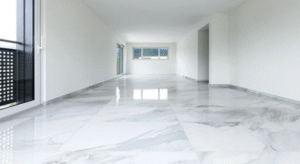
Marble floors represent a premium architectural feature, but their longevity depends on disciplined maintenance. Between professional visits, consistent dust removal, careful cleaning product selection, spill management, and surface protection are essential practices. These daily efforts reduce abrasion, prevent etching, and maintain the protective sealant applied by a marble floor cleaning company. However, routine care alone cannot fully preserve marble’s reflective clarity and structural stability. Over time, microscopic wear, environmental exposure, and sealant degradation require professional intervention. Engaging a qualified marble cleaning company ensures expert polishing, resealing, and corrective treatments that restore uniformity and prevent long-term damage. Seaside Stone Restoration exemplifies how preventive maintenance and professional expertise work together to protect marble surfaces. By combining homeowner diligence with scheduled marble cleaning services, property owners achieve optimal durability, cost efficiency, and sustained visual appeal. Maintaining marble floors between professional cleanings is ultimately about balance—consistent daily care supported by strategic professional oversight. When executed correctly, this integrated approach safeguards marble’s elegance, enhances property value, and ensures the surface remains a lasting design asset rather than a maintenance liability.- granite restoration
- Marble Cleaning
- Stone Restoration
- Travertine Discolouration
- travertine floor
 .
.