+1 760-685-3909

Home/ Blog Details
Why Travertine Floors Need Special Cleaning and Maintenance
10 December, 2025
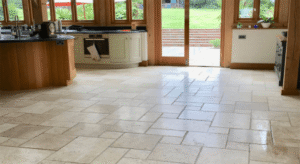
Travertine floors are highly sought after for their natural elegance, durability, and timeless aesthetic appeal. From luxurious residential homes to high-end commercial spaces, travertine adds sophistication and charm wherever it is installed. However, unlike other flooring types, travertine requires specialized care. Its porous and delicate nature makes it prone to staining, etching, and dullness if not properly maintained. For this reason, travertine floor cleaning and periodic travertine tile restoration are essential to preserve both its beauty and longevity.
Many homeowners underestimate the vulnerability of travertine and rely on generic cleaning solutions, which can lead to irreversible damage. Proper cleaning techniques, stone-safe products, and preventive measures like sealing are critical to maintaining the floors’ natural sheen. Understanding why travertine floors require special attention helps property owners, facility managers, and cleaning professionals implement effective care routines that extend the life of this premium flooring material.
By addressing each aspect of maintenance—from everyday cleaning to deep restoration—this guide explains why travertine flooring is unique and why professional care is often the best approach. Investing in proper maintenance not only enhances the floor’s aesthetic appeal but also protects the property’s value over time.
1. Porosity of Travertine and Its Impact on Cleaning
Travertine is a natural stone formed from limestone deposits, which gives it a distinctive porous structure. Unlike harder stones such as granite or quartz, this porosity means that liquids, oils, and other contaminants can easily penetrate the surface. Even a minor spill of coffee, wine, or acidic substances can cause permanent stains or etching if not addressed promptly. This inherent characteristic makes travertine floor cleaning more complex than routine tile maintenance and requires careful attention to both products and techniques. The stone’s porous nature also makes it more susceptible to moisture damage, particularly in areas like kitchens, bathrooms, or outdoor patios where water exposure is frequent. Without adequate sealing, the stone can absorb water, leading to discoloration, weakened surface integrity, and the formation of unsightly dull patches. Property owners who ignore these risks often face costly consequences, including the need for professional travertine tile restoration to restore the floor’s original look. Routine cleaning alone is insufficient for porous surfaces. Stone-safe, pH-neutral cleaners designed specifically for travertine are necessary to prevent damage. Abrasive or acidic solutions, even household cleaners like vinegar or lemon juice, can react with the stone’s calcium carbonate content, leaving permanent marks. Proper cleaning involves soft cloths, microfiber mops, and gentle scrubbing tools that safeguard the floor while removing dirt and debris. Additionally, sealing is critical to reducing the stone’s absorption rate. High-quality sealants create a protective barrier that prevents liquid penetration while preserving natural textures. Regular inspections and maintenance, combined with professional cleaning, ensure that travertine floors remain resilient, stain-free, and visually stunning over decades.2. Sensitivity to Cleaning Agents and Routine Maintenance
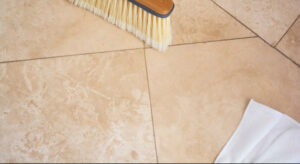
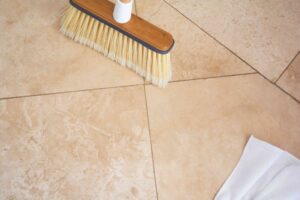
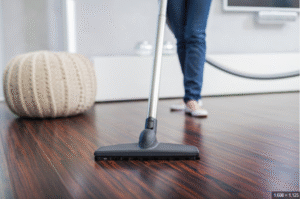
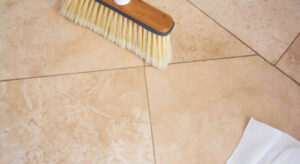
Travertine floors are highly sensitive to commonly used cleaning agents, which makes routine maintenance a careful balancing act. Many homeowners unknowingly use acidic or abrasive cleaners, believing they can enhance shine or remove stubborn stains. Unfortunately, substances such as vinegar, ammonia, lemon juice, and harsh chemical detergents react with the calcium carbonate in travertine, causing etching, dullness, and even surface erosion. This sensitivity underscores the need for specialized travertine floor cleaning methods and products tailored to natural stone. Daily or weekly maintenance should focus on removing dust, dirt, and debris using soft microfiber mops or cloths. Avoiding scrubbing pads, steel wool, or harsh brushes prevents scratches, which can accumulate over time and compromise the floor’s polished appearance. Even routine vacuuming must be done with care; vacuums with rotating brushes can scratch the surface if not used properly. Using pH-neutral cleaners specifically formulated for natural stone is critical. These products maintain the stone’s chemical balance while effectively removing dirt and grime. For spills, immediate action is essential. Blotting liquids with a soft cloth and applying a stone-safe cleaner prevents absorption and reduces the risk of staining. In addition to regular cleaning, periodic professional maintenance is recommended. Services like travertine tile restoration involve deep cleaning, polishing, and resealing, which restore shine, remove minor scratches, and reinforce protection against future damage. Scheduled restoration, combined with consistent at-home cleaning, ensures long-term preservation of the floor’s natural beauty and reduces the likelihood of extensive repair work. By understanding travertine’s sensitivity and implementing a structured cleaning routine, homeowners and facility managers can enjoy the elegance of their floors while preventing costly damage. Correct maintenance practices balance safety, efficiency, and aesthetics, ensuring travertine floors remain a standout feature for years.3. Importance of Sealing and Polishing Travertine
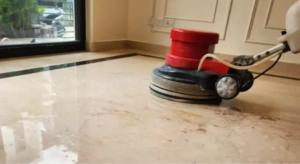
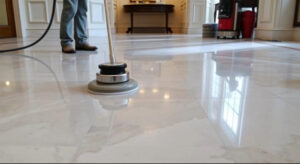
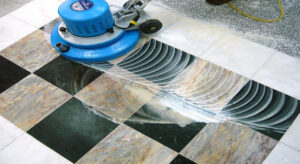
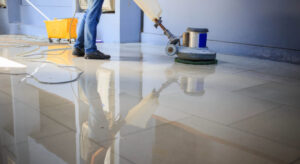
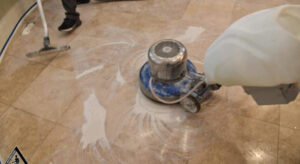
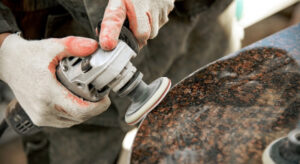
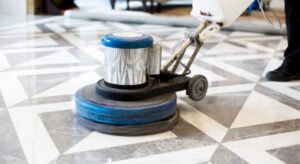
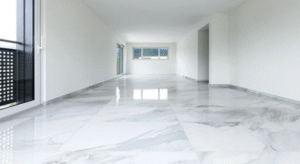
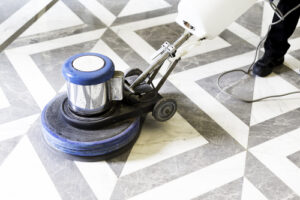
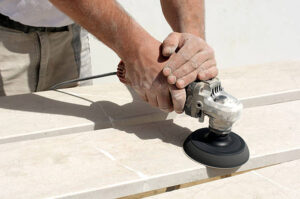
Sealing and polishing are fundamental aspects of travertine floor maintenance. Sealing creates a protective barrier on the stone’s porous surface, preventing liquid absorption, stains, and damage from everyday use. Polishing, meanwhile, restores the natural luster of the stone, removes minor scratches, and enhances overall visual appeal. Together, these processes are crucial for maintaining the floor’s integrity and aesthetic value, making them key components of travertine floor cleaning and travertine tile restoration strategies. The sealing process involves applying a high-quality stone sealer designed to penetrate the stone and protect it from moisture, oils, and other contaminants. The frequency of resealing depends on foot traffic, exposure to moisture, and the type of sealant used. High-traffic areas or spaces prone to spills may require resealing every 1–2 years, while less-used areas can extend this timeline. Proper sealing not only prevents stains but also reduces the risk of etching, making cleaning easier and more effective. Polishing enhances the travertine’s natural texture and shine, giving it a renewed, vibrant appearance. Over time, even with proper cleaning and sealing, the floor may lose its luster due to foot traffic, debris, or minor abrasions. Professional polishing removes these imperfections, restoring the original elegance of the stone. When combined with cleaning and sealing, it forms a comprehensive maintenance routine that maximizes durability and aesthetics. Regular professional travertine tile restoration ensures that floors maintain a pristine look and reduces the long-term cost of repairs. Even minor scratches or dullness can be addressed through polishing techniques, extending the life of the stone and preserving property value. Homeowners and facility managers benefit from this holistic approach, ensuring that travertine floors remain a visually striking and functional feature for decades.4. Handling Stains and Maintaining Longevity
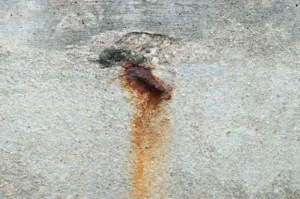
Even with regular cleaning, stains and spills are inevitable. Travertine floors require immediate attention to prevent permanent damage due to the stone’s absorbent nature. Substances such as coffee, wine, oil, and acidic liquids can penetrate the surface, leaving visible marks or etching. Prompt intervention using travertine floor cleaning techniques is essential to protect the stone and maintain its appearance. For minor spills, homeowners should blot—rather than wipe—the affected area using a soft cloth or sponge. Wiping may spread the liquid, increasing the risk of staining. Applying a pH-neutral cleaner ensures that the stone’s chemical balance remains stable while removing contaminants. For persistent or deep stains, professional methods such as poulticing are often used during travertine tile restoration. These techniques draw the stain out of the stone without causing surface damage. Preventive measures also contribute to long-term durability. Area rugs, mats, and furniture pads help protect high-traffic zones from abrasion and spills. Routine dusting and vacuuming prevent grit and debris from scratching the surface, while consistent cleaning with stone-safe solutions maintains the floor’s original finish. Long-term maintenance involves combining daily care with periodic professional cleaning, polishing, and sealing. This comprehensive approach minimizes wear, prevents discoloration, and reduces the likelihood of expensive restoration projects. Homeowners and property managers who invest in consistent maintenance ensure that travertine remains an elegant, functional, and long-lasting flooring choice. In essence, prompt attention to stains, strategic preventive care, and professional restoration services work together to maximize travertine’s longevity. By respecting the stone’s unique characteristics, property owners can enjoy the luxurious appeal of travertine floors for decades, while minimizing costly repairs and preserving the floor’s natural charm.Conclusion
Travertine floors are a premium flooring option valued for their natural beauty, durability, and sophisticated appeal. However, their porous structure and sensitivity to acidic or abrasive substances make them unique among flooring materials. Effective travertine floor cleaning and maintenance require a thoughtful approach that balances routine care, preventive measures, and professional restoration. Without proper attention, spills, scratches, and etching can compromise the stone’s aesthetic and structural integrity. Routine cleaning using pH-neutral, stone-safe products ensures that dirt, dust, and minor spills do not cause lasting damage. Microfiber mops, soft cloths, and gentle brushes prevent scratches while maintaining the floor’s natural shine. Sealing and polishing are equally essential, providing a protective barrier and restoring luster to high-traffic areas. Together, these steps reduce wear, prevent discoloration, and enhance the stone’s lifespan. Professional travertine tile restoration plays a critical role in maintaining floors over time. Deep cleaning, stain removal, polishing, and resealing restore floors to their original elegance while addressing damage that routine cleaning cannot fix. By investing in professional care periodically, homeowners and property managers protect both the floor’s appearance and the long-term value of their property. Understanding the specialized nature of travertine encourages proper care and proactive maintenance. Prompt attention to spills, regular cleaning, periodic sealing, and professional restoration form a complete maintenance strategy that preserves the stone’s beauty and durability. Ultimately, travertine floors reward those who invest in proper care with decades of elegance and functionality. By following best practices in travertine floor cleaning and travertine tile restoration, property owners can ensure that their floors remain stunning, resilient, and a focal point of any space for generations to come.- granite restoration
- Marble Cleaning
- Stone Restoration
- Travertine Discolouration
- travertine floor
 .
.