+1 760-685-3909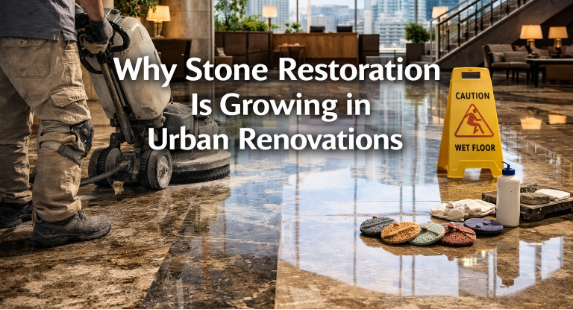

Home/ Blog Details
Why Stone Restoration Is Growing in Urban Renovations
10 February, 2026
Urban landscapes are constantly evolving. As cities expand and modernize, renovation projects—both residential and commercial—are becoming more frequent than complete rebuilds. In this transformation, one trend stands out prominently: the growing demand for stone restoration services. Instead of replacing worn-out stone surfaces, property owners, architects, and developers are increasingly opting for natural stone restoration as a cost-effective, sustainable, and aesthetically superior solution.
This shift reflects not just a design preference, but a broader change in how urban renovation projects are planned and executed today.
The Revival of Natural Stone in Modern Urban Renovation Projects
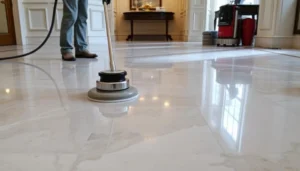
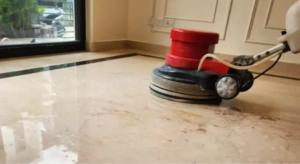
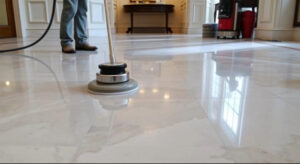
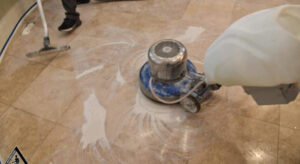
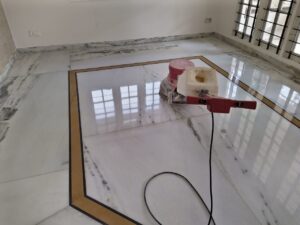
Urban renovation projects today are increasingly focused on enhancing existing structures rather than demolishing and rebuilding them. As cities become denser and construction costs rise, property owners and developers are reassessing how to maximize the value of existing materials. In this context, natural stone restoration has emerged as a highly effective solution. Natural stone surfaces such as marble, granite, limestone, terrazzo, and travertine are commonly found in urban buildings, ranging from residential apartments to commercial complexes. These materials were originally selected for their durability and visual appeal, yet over time they lose their luster due to foot traffic, pollution, moisture exposure, and improper maintenance. Instead of replacing these premium materials, renovation professionals are increasingly turning to stone restoration services to rejuvenate worn surfaces. Restoration techniques such as honing, grinding, polishing, and sealing can return stone to its original appearance while preserving its structural integrity. This approach aligns perfectly with modern urban design philosophies that emphasize preservation, efficiency, and material reuse. Restored stone surfaces not only enhance the visual appeal of interiors but also maintain the architectural authenticity of buildings that often define city landscapes. The renewed appreciation for natural stone aesthetics has further accelerated this trend. Polished marble floors, restored granite countertops, and revitalized stone walls contribute to a refined and upscale environment that appeals to modern urban occupants. Companies like Seaside Stone Restoration play a vital role in this process by combining technical expertise with an understanding of architectural design, ensuring restored surfaces meet both functional and aesthetic expectations. As urban renovations continue to prioritize quality and longevity, stone restoration is becoming an integral part of contemporary renovation planning.Sustainability and Environmental Responsibility as Key Growth Drivers
Sustainability has become a central consideration in urban development, and this shift is significantly contributing to the growing demand for stone restoration services. Large-scale renovation projects generate substantial construction waste when materials are removed and replaced. Disposing of old stone surfaces not only adds to landfill volume but also increases the demand for new quarrying, transportation, and manufacturing—processes that consume significant natural resources and energy. Natural stone restoration offers an environmentally responsible alternative. By restoring existing stone surfaces, renovation projects drastically reduce material waste while extending the lifespan of high-quality stone installations. This aligns with green building standards and sustainability certifications increasingly adopted in urban construction. Developers and building owners recognize that restoring stone is not only environmentally sound but also enhances their brand image as responsible stakeholders in urban development. In addition, modern restoration techniques use eco-friendly cleaning agents, low-dust machinery, and efficient water management systems, further minimizing environmental impact. These advancements allow restoration work to be carried out safely within occupied buildings, a crucial requirement in busy urban settings. Sustainable restoration practices also support long-term maintenance planning by reducing the need for frequent repairs or replacements. Professional providers such as Seaside Stone Restoration emphasize environmentally conscious restoration methods while delivering high-quality finishes. Their approach demonstrates how sustainability and performance can coexist without compromise. As cities move toward circular construction models—where materials are reused rather than discarded—stone restoration is increasingly viewed as a practical and responsible choice. This sustainability-driven mindset continues to fuel the growth of stone restoration in urban renovation projects worldwide.Cost Efficiency and Practical Advantages in High-Density Cities
Cost control is a critical factor in urban renovation, where expenses related to labor, logistics, and materials are often significantly higher than in non-urban areas. Replacing stone surfaces involves multiple cost-intensive steps, including demolition, debris removal, procurement of new materials, and installation. These processes not only strain renovation budgets but also extend project timelines, causing disruptions in residential and commercial spaces. In contrast, stone restoration services provide a cost-effective alternative that delivers exceptional value. Restoration can achieve near-new results at a fraction of the cost of replacement, making it especially appealing for large-scale projects such as hotels, office buildings, shopping centers, and residential complexes. Techniques like resurfacing, crack repair, polishing, and sealing restore both appearance and functionality without the need for structural changes. Time efficiency is another key advantage. Urban renovations often operate under tight schedules to minimize downtime and inconvenience. Stone restoration typically requires less time than replacement and can often be performed in phases, allowing buildings to remain partially or fully operational during the process. This is particularly beneficial for businesses that cannot afford prolonged closures. With expertise in managing complex urban projects, Seaside Stone Restoration demonstrates how professional restoration services can balance cost, quality, and efficiency. Their ability to deliver durable, visually appealing results within constrained timelines makes stone restoration an increasingly attractive option. As urban property owners seek renovation solutions that offer maximum return on investment, the practical and economic benefits of stone restoration continue to drive its rapid adoption.Technological Advancements and the Role of Professional Expertise
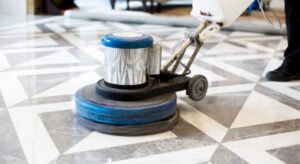
The evolution of restoration technology has played a crucial role in elevating the quality and reliability of natural stone restoration services. Modern equipment, including diamond abrasives, precision grinding systems, and dust-controlled machinery, allows technicians to achieve consistent finishes with minimal disruption. These advancements ensure that restored stone surfaces meet the high standards expected in premium urban environments. Professional expertise is equally important. Each type of natural stone has unique properties, requiring specialized treatment methods. Incorrect restoration techniques can cause irreversible damage, such as excessive surface wear or chemical etching. This is why urban renovation projects increasingly rely on experienced specialists rather than general contractors or DIY solutions. Companies like Seaside Stone Restoration combine advanced technology with in-depth knowledge of stone behavior, surface chemistry, and restoration processes. Their systematic approach ensures long-lasting results that enhance both safety and appearance. Proper sealing and finishing also simplify ongoing maintenance, reducing long-term operational costs for property managers. As urban buildings age and renovation demand increases, the need for skilled restoration professionals becomes more pronounced. The integration of technology, sustainability, and craftsmanship positions stone restoration as a cornerstone of modern urban renovation strategies. With trusted providers leading the way, stone restoration services are set to remain a growing and essential component of urban development.Faster Project Turnaround and Minimal Disruption in Urban Renovations
One of the most critical challenges in urban renovation projects is managing time without disrupting daily operations. Residential buildings, commercial offices, hotels, retail centers, and public spaces in cities cannot afford prolonged closures or extensive construction delays. This is where stone restoration services offer a decisive advantage over full-scale replacement. Unlike demolition and reinstallation, stone restoration focuses on improving existing surfaces, significantly reducing project duration and operational downtime. Natural stone restoration processes such as grinding, honing, polishing, and sealing can often be completed in stages. This phased approach allows areas to remain accessible while restoration work progresses, making it ideal for high-traffic urban environments. Businesses can continue functioning, residents experience minimal inconvenience, and renovation timelines stay on track. In contrast, stone replacement requires extended shutdowns, heavy material movement, and longer curing periods, all of which disrupt urban activity. Modern restoration equipment further enhances efficiency. Dust-controlled systems and low-noise machinery enable work to be carried out safely within occupied buildings. These advancements are especially important in cities where noise regulations, safety standards, and public comfort are closely monitored. As a result, restoration projects are more predictable, controlled, and easier to coordinate with other renovation activities. Experienced providers like Seaside Stone Restoration specialize in executing restoration projects within strict urban schedules. Their ability to plan workflows, manage logistics, and deliver consistent results ensures that property owners achieve timely upgrades without compromising quality. As urban renovations increasingly prioritize speed and continuity, the fast turnaround offered by professional stone restoration continues to fuel its growing adoption.Rising Demand for Premium Aesthetics and Property Value Enhancement
Urban real estate markets are highly competitive, and visual appeal plays a significant role in property valuation, tenant attraction, and brand perception. Restored natural stone surfaces offer a level of sophistication and elegance that few materials can match. This has led to a surge in demand for natural stone restoration as a strategic aesthetic upgrade in urban renovation projects. Polished marble lobbies, revitalized terrazzo floors, and restored granite surfaces immediately elevate the look and feel of a space. These enhancements create strong first impressions in commercial buildings and add a sense of luxury to residential properties. Unlike synthetic alternatives, natural stone offers depth, texture, and timeless appeal—qualities that resonate strongly with modern urban buyers and tenants. Stone restoration services allow property owners to achieve these premium aesthetics without the high cost of new installations. Restoration brings out the stone’s natural color, veining, and reflectivity, making older surfaces appear new again. This visual transformation directly contributes to higher occupancy rates, improved customer experience, and increased resale value. Companies such as Seaside Stone Restoration understand the importance of aligning restoration outcomes with design objectives. Their expertise ensures that restored stone complements contemporary interiors while preserving architectural integrity. In urban renovations where aesthetics and return on investment go hand in hand, stone restoration has become a preferred solution for achieving long-lasting visual impact.Long-Term Maintenance Benefits and Smarter Urban Asset Management
Urban property owners and facility managers are increasingly focused on long-term maintenance planning rather than short-term fixes. This shift has further strengthened the demand for stone restoration services. Properly restored and sealed stone surfaces are easier to maintain, more resistant to wear, and less prone to staining or damage, making them ideal for high-use urban environments. Natural stone restoration not only improves appearance but also enhances surface performance. Techniques such as honing and sealing create a smoother, more uniform surface that resists moisture penetration and dirt accumulation. This reduces the need for frequent deep cleaning and minimizes ongoing maintenance costs. Over time, these savings add up significantly, especially in large commercial or residential complexes. Restoration also allows maintenance teams to implement preventive care strategies. Instead of waiting for severe damage to occur, periodic restoration keeps stone surfaces in optimal condition. This proactive approach extends the lifespan of stone installations and prevents costly repairs or replacements in the future. Professional providers like Seaside Stone Restoration often guide clients on post-restoration care, ensuring surfaces retain their finish and durability. Their expertise helps property managers integrate restoration into broader asset management plans. As urban renovations increasingly emphasize efficiency, durability, and lifecycle cost reduction, stone restoration continues to stand out as a smart, long-term investment.Conclusion: Stone Restoration as a Cornerstone of Urban Renovation Strategies
The growing prominence of stone restoration services in urban renovations reflects a broader shift toward sustainability, efficiency, and intelligent design. From preserving architectural identity and reducing environmental impact to controlling costs and enhancing aesthetics, natural stone restoration addresses the complex demands of modern city development. As urban spaces continue to evolve, restoring existing materials rather than replacing them has become both a practical and responsible choice. With advanced technology, professional expertise, and proven results, companies like Seaside Stone Restoration are redefining how cities renew their built environments. Stone restoration is no longer a secondary option—it is a strategic solution shaping the future of urban renovation.- granite restoration
- Marble Cleaning
- Stone Restoration
- Travertine Discolouration
- travertine floor

 .
.