Introduction: Understanding the Importance of Proper Travertine Floor Cleaning
Travertine floors are a premium choice for homeowners who value natural beauty, durability, and timeless appeal. However, maintaining this elegance requires a careful and informed approach. Unlike ceramic or porcelain tiles, travertine is a natural stone composed primarily of calcium carbonate, making it highly sensitive to acidic substances and improper cleaning methods. One of the most common issues that arise from incorrect care is
etching, which appears as dull spots or marks on the surface and can significantly diminish the stone’s visual appeal.
In 2026, as homeowners become more conscious about long-term maintenance and sustainability, proper
travertine floor cleaning has become more critical than ever. Many people unknowingly use household cleaners that contain acids or harsh chemicals, which can damage the surface and lead to costly repairs. This is where understanding the fundamentals of cleaning and maintenance plays a crucial role.
Regular care not only preserves the aesthetic value of your floors but also reduces the need for frequent
travertine floor restoration. Companies like Seaside Stone Restoration emphasize preventive maintenance as the most effective strategy to protect natural stone surfaces. By adopting the right cleaning techniques and using appropriate products, you can maintain the shine and integrity of your travertine floors for years.
This guide is designed to provide a comprehensive understanding of how to clean travertine floors safely, avoid etching, and recognize when professional intervention is necessary. Whether you are a homeowner or a property manager, mastering these practices will help you protect your investment and ensure your floors remain as stunning as the day they were installed.
What Causes Etching in Travertine Floors and How to Avoid It
Etching is one of the most frustrating issues faced by travertine floor owners, and it often occurs due to a lack of awareness about the stone’s chemical properties. Travertine is highly reactive to acids, meaning even mild acidic substances can cause damage. Common household items such as vinegar, citrus juices, wine, and certain cleaning agents can trigger a chemical reaction that dissolves the surface of the stone, leaving behind dull, chalky marks.
Improper
travertine floor cleaning practices are a leading cause of etching. Many people assume that all floor cleaners are safe for use, but this is far from the truth. Generic cleaning solutions often contain acidic or abrasive components that can strip the protective layer of the stone. Over time, repeated exposure to these substances can lead to widespread damage, making the floor appear worn and uneven.
Preventing etching requires a proactive approach. First, it is essential to avoid using any cleaning product that is not specifically designed for natural stone. Second, spills should be cleaned immediately to minimize the risk of chemical reactions. Even water, if left standing for extended periods, can seep into the porous surface and contribute to long-term damage.
Professional services like Seaside Stone Restoration often encounter floors that have suffered from severe etching due to improper care. In such cases,
travertine floor restoration becomes necessary to restore the surface through honing and polishing. However, prevention is always more cost-effective than repair.
By understanding the causes of etching and adopting safe cleaning practices, you can significantly extend the lifespan of your travertine floors and maintain their natural beauty.
Best Practices for Safe and Effective Travertine Floor Cleaning
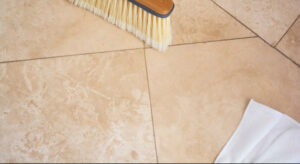
Maintaining travertine floors requires a consistent and careful cleaning routine that prioritizes both effectiveness and safety. The foundation of proper
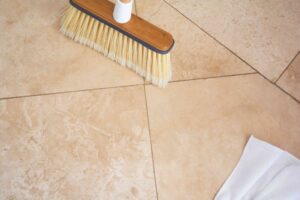
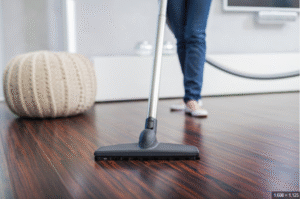
travertine floor cleaning begins with removing loose dirt and debris. Dust and grit can act like sandpaper, scratching the surface when walked on. Using a soft broom, microfiber mop, or a vacuum cleaner with a hard-floor setting helps prevent this type of damage.
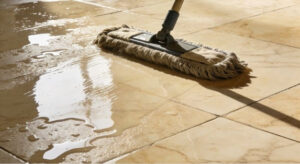
When it comes to wet cleaning, less is more. Travertine is a porous material, meaning it can absorb water and cleaning solutions if overused. A damp mop combined with a pH-neutral cleaner specifically formulated for natural stone is the safest option. These cleaners are designed to lift dirt and stains without reacting with the stone’s composition.
Another critical step is drying the floor immediately after cleaning. Allowing moisture to sit on the surface can lead to staining or weakening of the stone over time. Using a clean, dry cloth or microfiber towel ensures that no residue or moisture remains.
Consistency is key in maintaining the appearance of your floors. Regular cleaning prevents the buildup of dirt and reduces the likelihood of damage that may require
travertine floor restoration. Additionally, placing mats at entryways and using protective pads under furniture can minimize wear and tear.
Seaside Stone Restoration recommends a tailored cleaning routine based on the specific conditions of your floors. Their expertise in
travertine floor cleaning ensures that each surface is treated with the appropriate care, preserving both its functionality and visual appeal. By following these best practices, you can keep your travertine floors looking pristine and extend their lifespan significantly.
Cleaning Products and Methods You Should Avoid
One of the most critical aspects of maintaining travertine floors is knowing what not to use. Many cleaning products available in the market are unsuitable for natural stone and can cause irreversible damage. Using the wrong products during
travertine floor cleaning is one of the primary reasons homeowners end up needing extensive repairs or
travertine floor restoration.
Acidic cleaners are the biggest culprits. Products containing vinegar, lemon, or other citrus-based ingredients can react with the calcium carbonate in travertine, leading to etching. Similarly, bleach and ammonia-based cleaners are too harsh and can weaken the stone’s structure over time. Abrasive powders and scrubbing pads should also be avoided, as they can scratch the surface and remove the natural finish.
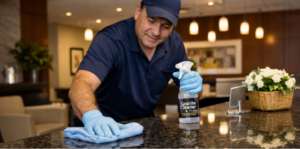
Even some products labeled as “multi-surface cleaners” may not be safe for travertine. It is essential to read labels carefully and ensure that the cleaner is specifically designed for natural stone. Investing in high-quality, pH-neutral cleaning solutions is a small cost compared to the expense of repairing damaged floors.
Improper cleaning methods can also contribute to damage. Using excessive water, applying too much pressure while scrubbing, or neglecting to dry the surface can all lead to long-term issues. These mistakes may not show immediate effects but can gradually degrade the condition of the stone.
Seaside Stone Restoration frequently addresses issues caused by improper cleaning practices. Their experience highlights the importance of using the right products and techniques from the beginning. By avoiding harmful substances and methods, you can protect your floors and maintain their original beauty without the need for frequent restoration.
When to Consider Professional Travertine Floor Restoration
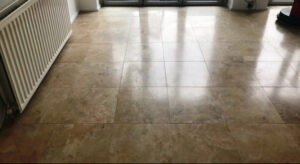
Despite following proper cleaning practices, travertine floors can still experience wear and tear over time. High foot traffic, accidental spills, and natural aging can lead to dullness, scratches, and etching that cannot be resolved through regular cleaning alone. In such cases, professional
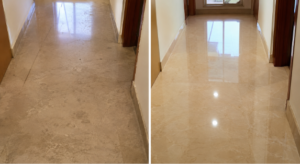
travertine floor restoration becomes necessary to restore the surface to its original condition.
Restoration is a comprehensive process that goes beyond basic
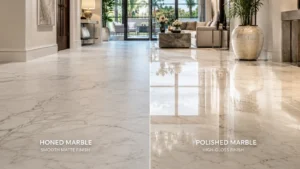
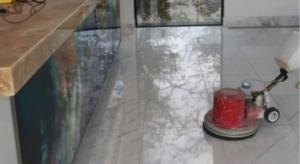
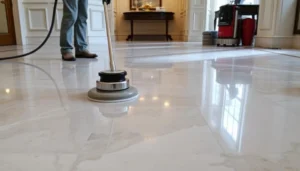
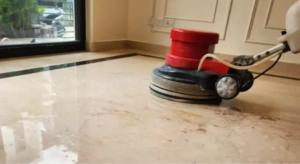
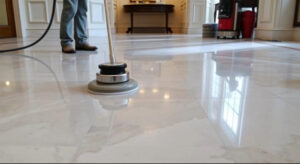
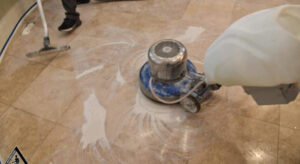
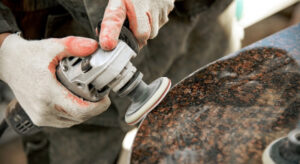
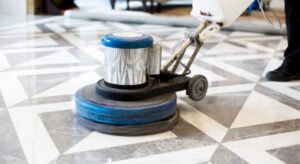
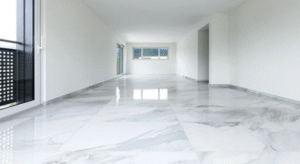
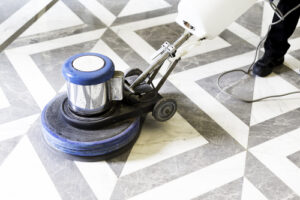
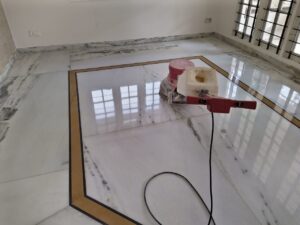
travertine floor cleaning. It typically involves honing, which smooths out imperfections and removes etch marks, followed by polishing to restore the stone’s natural shine. Sealing is then applied to protect the surface from future damage and make maintenance easier.
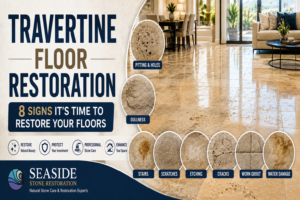
There are several signs that indicate the need for restoration. If your floors appear dull despite regular cleaning, have visible scratches or etch marks, or feel uneven to the touch, it is time to seek professional help. Ignoring these issues can lead to further deterioration, making restoration more complex and costly.
Seaside Stone Restoration specializes in advanced restoration techniques that are tailored to the unique characteristics of each floor. Their expertise ensures that the process is carried out safely and effectively, preserving the integrity of the stone while enhancing its appearance.
Investing in professional
travertine floor restoration not only improves the look of your floors but also extends their lifespan. By addressing damage early and maintaining a regular care routine, you can keep your travertine surfaces in excellent condition for years to come.
Conclusion: Maintaining Beauty and Longevity Without Etching
Travertine floors are a valuable investment that require thoughtful care to maintain their beauty and durability. Cleaning these surfaces without causing etching is entirely possible when you understand the material and adopt the right practices. Proper
travertine floor cleaning involves using pH-neutral products, avoiding harsh chemicals, and following a consistent maintenance routine that prevents damage before it occurs.
Etching, while common, is largely preventable with the right knowledge and approach. By avoiding acidic substances, cleaning spills promptly, and using appropriate tools, you can preserve the natural finish of your floors. Regular care not only enhances the appearance of your travertine but also reduces the need for frequent
travertine floor restoration.
However, when damage does occur, professional services play a crucial role in restoring the stone to its original condition. Seaside Stone Restoration offers expert solutions that combine advanced techniques with a deep understanding of natural stone care. Their commitment to quality ensures that your floors receive the best possible treatment.
Ultimately, maintaining travertine floors is about balancing routine cleaning with occasional professional care. By following the guidelines outlined in this article, you can protect your investment, enhance the longevity of your floors, and enjoy their timeless elegance for many years.

 +1 760-685-3909


 .
.