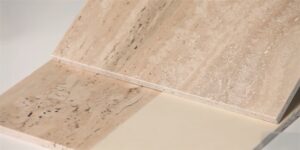
Understanding Why Travertine Floors Lose Their Shine
Travertine is a natural stone known for its elegance, durability, and timeless appeal. However, despite its strength, it is also porous and sensitive to environmental and usage-related factors. Over time, even the most premium floors begin to lose their shine, making
travertine floor restoration an essential part of long-term maintenance. The dull appearance is usually not a result of one single issue but rather a combination of multiple factors that gradually degrade the surface.
One of the primary causes is the accumulation of dirt, dust, and grime. Without proper
travertine floor cleaning, these particles act like abrasives, scratching the surface and reducing its reflective quality. Additionally, acidic substances such as lemon juice, vinegar, or harsh chemical cleaners can cause etching, leaving behind dull spots that disrupt the uniform finish. This is particularly problematic in kitchens and high-traffic areas where spills are frequent.
Another contributing factor is foot traffic. Constant movement across the floor leads to micro-abrasions, especially in commercial or busy residential spaces. Over time, these abrasions create visible wear patterns that diminish the stone’s natural glow. Furthermore, neglecting proper sealing allows moisture and contaminants to penetrate the stone, leading to stains and discoloration that standard cleaning cannot resolve.
In many cases, homeowners attempt DIY solutions without understanding the technical aspects of
travertine tile restoration, which can worsen the condition. Using incorrect tools or products may strip the protective layer or create uneven finishes. This is why professional intervention, such as services offered by
Seaside Stone Restoration, becomes crucial when the damage goes beyond superficial dullness. Understanding these root causes is the first step toward implementing an effective restoration strategy that not only restores shine but also preserves the integrity of the stone for years to come.
Step-by-Step Travertine Floor Cleaning and Restoration Process
Restoring the shine of travertine floors requires a systematic approach that combines deep
travertine floor cleaning with advanced restoration techniques. The process begins with a thorough inspection to identify problem areas such as stains, scratches, holes, and etching. This assessment helps determine the level of restoration required and ensures that the correct methods are applied.
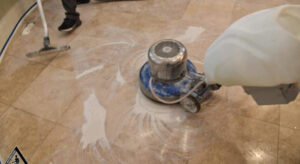
The first stage is deep cleaning. Using a pH-neutral cleaner specifically designed for natural stone, the surface is cleaned to remove embedded dirt and grime. Unlike regular cleaning, this step focuses on extracting contaminants from the pores of the stone. Proper
travertine floor cleaning not only improves appearance but also prepares the surface for further restoration procedures.
Next comes the repair phase, which is a critical component of
travertine tile restoration. Any visible holes, cracks, or imperfections are filled with a color-matched resin or filler. Travertine naturally contains small voids, but over time these can expand or become uneven. Filling these gaps ensures a smooth and consistent surface, which is essential for achieving a polished finish.
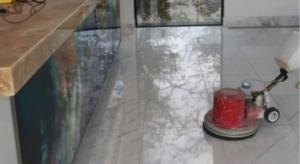
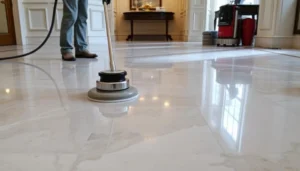
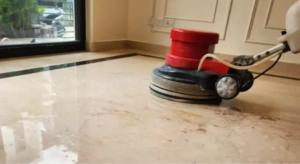
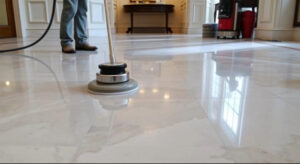
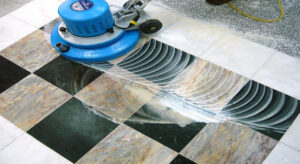
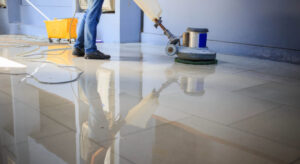
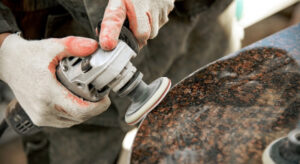
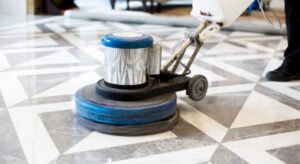
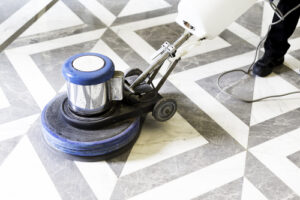
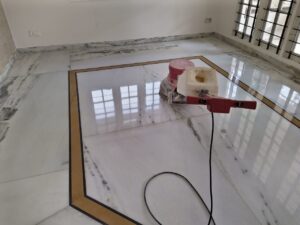
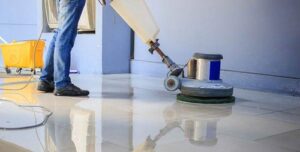
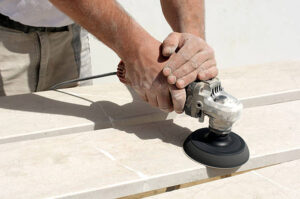
Honing follows the repair process. This involves the use of diamond abrasive pads to remove surface damage such as scratches and etching. Honing evens out the surface and creates a matte or semi-gloss finish depending on the desired outcome. After honing, the floor is polished using specialized compounds and equipment to restore its natural shine.
Finally, sealing is applied to protect the restored surface. A high-quality sealer prevents moisture penetration, resists stains, and enhances durability. This comprehensive
travertine floor restoration process ensures long-lasting results, especially when performed by professionals like Seaside Stone Restoration, who utilize advanced tools and proven techniques.
DIY vs Professional Travertine Tile Restoration
When it comes to restoring dull floors, many property owners face the dilemma of choosing between DIY methods and professional
travertine tile restoration services. While DIY approaches may seem cost-effective initially, they often fall short in delivering long-term results, particularly for floors with significant wear and damage.
DIY restoration typically involves basic
travertine floor cleaning, using store-bought products and simple tools. This approach can be effective for light maintenance tasks such as removing surface dirt or minor stains. However, it lacks the precision and depth required for addressing deeper issues like etching, scratches, and uneven surfaces. Without access to professional-grade equipment such as diamond polishing pads or industrial polishers, achieving a consistent and high-gloss finish becomes challenging.
Moreover, improper handling during DIY restoration can lead to unintended damage. Using acidic cleaners or abrasive materials can worsen the condition of the stone, making professional intervention more costly later. Many homeowners also struggle with selecting the right sealant or applying it evenly, which compromises the protective layer and reduces the lifespan of the restoration.
On the other hand, professional services like Seaside Stone Restoration offer a comprehensive solution tailored to the specific condition of the floor. Experts conduct a detailed assessment and use advanced techniques to ensure precision at every stage of the
travertine floor restoration process. From deep cleaning and repair to honing, polishing, and sealing, each step is executed with specialized tools and industry expertise.
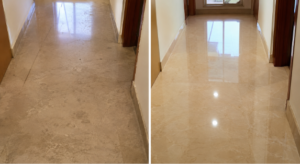
Professional restoration not only restores the aesthetic appeal but also enhances the durability of the floor. The results are more uniform, longer-lasting, and visually superior compared to DIY efforts. For homeowners seeking a flawless finish and long-term value, investing in professional
travertine floor cleaning and restoration services is a practical and effective choice.
Maintenance Tips to Preserve Shine After Restoration
Once your floors have undergone
travertine floor restoration, maintaining their shine becomes essential to protect your investment. Proper maintenance not only preserves the aesthetic appeal but also extends the lifespan of the stone, reducing the need for frequent restoration.
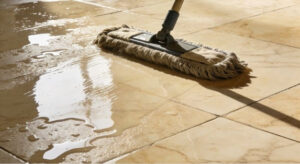
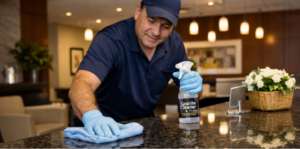
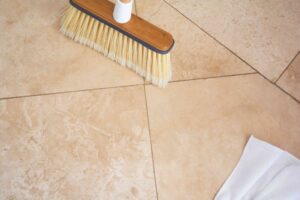
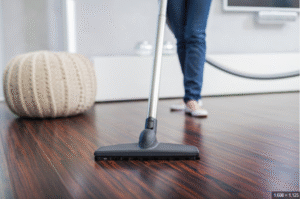
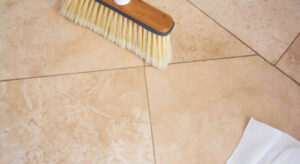
Daily maintenance begins with regular sweeping or vacuuming to remove dust and debris. These particles, if left unattended, can scratch the surface and diminish the polished finish. Using a soft microfiber mop along with a pH-neutral cleaner is recommended for routine
travertine floor cleaning. It is important to avoid harsh chemicals, as they can damage the sealant and cause etching.
In addition to daily care, periodic deep cleaning is necessary to maintain the integrity of the stone. High-traffic areas should receive extra attention, as they are more prone to wear and tear. Using mats or rugs at entry points can significantly reduce the amount of dirt brought onto the floor, minimizing abrasion.
Sealing plays a crucial role in long-term maintenance. After a complete
travertine tile restoration, the protective sealant should be reapplied every one to two years, depending on usage. This helps prevent moisture absorption, staining, and surface damage. Monitoring the condition of the sealant and addressing any wear promptly ensures continuous protection.
Another important aspect is spill management. Liquids, especially acidic ones, should be cleaned immediately to prevent etching and staining. Educating household members or staff about proper care practices can further enhance the longevity of the restored floor.
For optimal results, periodic professional maintenance by experts like Seaside Stone Restoration is highly recommended. Their expertise in
travertine floor restoration ensures that minor issues are addressed before they escalate, keeping your floors consistently shiny and well-maintained.
Signs Your Travertine Floor Needs Restoration
Recognizing the early warning signs of deterioration is essential to maintaining the longevity and appearance of your flooring. Travertine, while durable, gradually shows visible indicators when it requires professional
travertine floor restoration. Ignoring these signs can lead to more extensive damage, increasing both the complexity and cost of restoration over time.
One of the most noticeable signs is persistent dullness. If your floor appears lifeless even after thorough
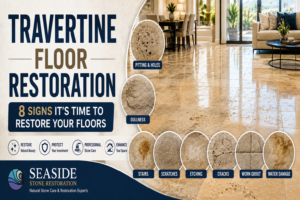
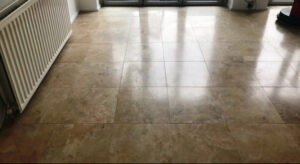
travertine floor cleaning, it typically indicates surface wear or etching that cannot be resolved through routine maintenance. This is often caused by prolonged exposure to foot traffic, improper cleaning agents, or lack of sealing. Another common issue is visible scratches or abrasion marks, particularly in high-traffic areas such as hallways and living rooms. These imperfections disrupt the smooth texture and reflective quality of the stone.
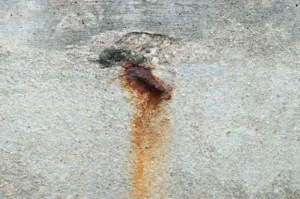
Staining is another key indicator. Travertine is naturally porous, and without proper sealing, it can absorb liquids that leave behind deep stains. When stains become resistant to standard cleaning methods, it signals the need for advanced
travertine tile restoration techniques such as honing and polishing. Uneven surfaces, pitting, or enlarged holes are also signs that the structural integrity of the stone is compromised and requires professional attention.
Additionally, etching caused by acidic substances results in dull spots that are often mistaken for stains. These marks require specialized restoration processes to remove and restore the original finish. If multiple issues such as scratches, stains, and dullness appear simultaneously, it is a clear indication that comprehensive
travertine floor restoration is necessary.
In such cases, consulting professionals like Seaside Stone Restoration ensures accurate diagnosis and effective treatment. Early intervention not only restores the visual appeal but also prevents further deterioration, making it a proactive approach to maintaining your travertine floors.
Why Choose Seaside Stone Restoration for Expert Results
Selecting the right service provider plays a critical role in achieving high-quality and long-lasting results. When it comes to professional
travertine floor restoration, experience, expertise, and the use of advanced technology make a significant difference. Seaside Stone Restoration stands out as a trusted name in the industry, offering comprehensive solutions tailored to both residential and commercial needs.
One of the primary advantages of choosing Seaside Stone Restoration is their systematic approach to
travertine floor cleaning and restoration. Their process begins with a detailed assessment of the floor’s condition, identifying specific issues such as etching, staining, scratches, and structural imperfections. This allows them to customize the restoration plan, ensuring optimal results without unnecessary procedures.
The company utilizes industry-grade equipment, including diamond abrasives and professional polishing systems, to deliver precision in every stage of
travertine tile restoration. Unlike generic services, their team is trained to handle the unique characteristics of natural stone, ensuring that the restoration enhances both appearance and durability. Their expertise minimizes the risk of damage while maximizing the floor’s natural beauty.
Another key benefit is their focus on long-term performance. Seaside Stone Restoration applies high-quality sealants that protect the stone from future damage, reducing maintenance efforts and extending the lifespan of the flooring. Their commitment to quality ensures that the restored surface maintains its shine and resilience over time.
Customer satisfaction is also a core aspect of their service. From transparent communication to timely project completion, they provide a seamless experience that builds trust and reliability. Whether dealing with minor dullness or extensive wear, their expertise in
travertine floor restoration ensures consistent and professional results.
By choosing Seaside Stone Restoration, property owners gain access to specialized knowledge, advanced techniques, and a commitment to excellence that guarantees superior outcomes for every restoration project.
Conclusion: Restore, Protect, and Maintain the Natural Beauty of Travertine Floors
Travertine floors are a valuable investment that enhances the aesthetic and functional appeal of any space. However, maintaining their natural elegance requires consistent care and timely intervention. As discussed, factors such as dirt accumulation, etching, scratches, and lack of sealing can significantly diminish their appearance over time. Implementing a structured approach to
travertine floor restoration is essential to reversing these effects and preserving the stone’s integrity.
A comprehensive restoration process—starting with deep
travertine floor cleaning, followed by repair, honing, polishing, and sealing—can effectively bring dull surfaces back to life. While basic maintenance can be managed independently, more complex issues demand professional expertise. This is where specialized services like Seaside Stone Restoration play a crucial role in delivering precise and long-lasting results.
Equally important is post-restoration maintenance. Regular cleaning, proper sealing, and prompt handling of spills ensure that the restored shine is retained for years. Understanding the early signs of wear and addressing them proactively helps prevent costly repairs and maintains the overall quality of the flooring.
Ultimately, investing in professional
travertine tile restoration is not just about improving appearance—it is about extending the lifespan of your floors and protecting their value. With the right combination of expert care and consistent maintenance, travertine floors can continue to reflect sophistication and durability.
By adopting these best practices and relying on trusted professionals, you can ensure that your travertine floors remain as stunning as the day they were installed, making restoration a worthwhile and strategic decision for any property owner.

 +1 760-685-3909


 .
.