+1 760-685-3909

Home/ Blog Details
Is marble restoration cheaper than replacing your floors?
4 September, 2026
Marble floors can add elegance and value to both residential and commercial properties, but years of foot traffic, spills, scratches, stains, and improper maintenance can leave them looking worn. When this happens, property owners often wonder whether to restore the existing marble or replace it completely. In many cases, professional marble restoration can be a more cost-effective option than installing new flooring. This guide explains the factors to consider before making that decision.
Quick answerYes, marble restoration is often less expensive than replacing an entire marble floor, especially when the existing stone is structurally sound. Professional restoration can address dullness, scratches, etching, stains, and surface wear without removing and replacing the flooring. However, the better option depends on the marble's condition, damage, floor size, and replacement requirements. A professional assessment can help determine whether restoration or replacement makes more financial sense.
What is marble restoration?
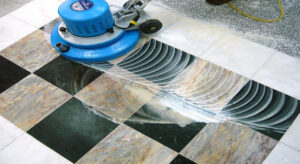
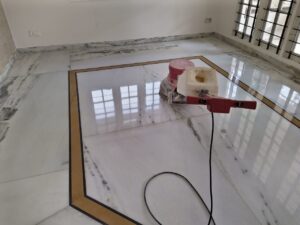
Marble restoration is the professional process of improving worn, damaged, or dull marble surfaces with treatments selected based on the stone's condition. Depending on the project, restoration may include deep cleaning, stain removal, honing, polishing, repairs, sealing, and refinishing.Marble restoration can be performed on:
- Marble floors
- Entryways and foyers
- Kitchen countertops
- Bathroom surfaces
- Shower areas
- Walls and other marble features
- Residential and commercial flooring
Why is marble restoration important?
Marble is a valuable natural stone, so replacing it isn't always the first or most practical solution when the surface starts to look worn. Restoration can help preserve the existing material while improving its appearance and usability.Key benefits include:
- Lower potential cost: Restoring an existing floor can cost less than removing and replacing it.
- Preserves existing marble: Restoration allows you to keep the original stone rather than purchasing new material.
- Improves appearance: Dullness, scratches, stains, and etching can often be addressed through professional treatments.
- Extends the floor's usable life: Proper restoration and maintenance can help existing marble remain attractive for longer.
- Reduces disruption: Restoration may avoid some of the demolition and installation work associated with replacement.
- Protects your investment: Maintaining existing natural stone can help preserve the property's overall appearance.
How does marble restoration work?
A professional marble restoration project should begin with an assessment rather than immediately choosing a treatment.1. Inspecting the marble
The technician evaluates the floor for scratches, stains, etching, dull areas, cracks, uneven surfaces, and other visible problems.2. Determining the cause of the damage
Understanding why the marble looks worn helps determine the appropriate restoration method. For example, dullness may be caused by surface abrasion, while cloudy or rough areas may be related to etching.3. Deep cleaning the surface
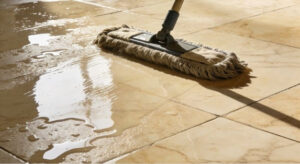
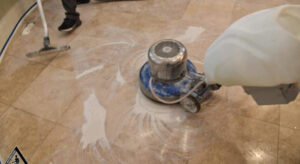
Professional cleaning removes accumulated dirt, grime, and residue before additional restoration work begins. Seaside Stone Restoration states that its marble cleaning process uses water-based, non-acidic solutions.4. Honing or polishing
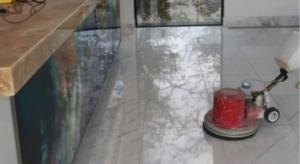
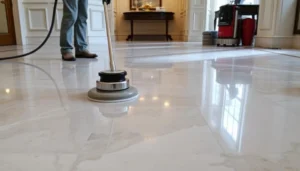
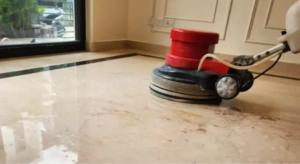
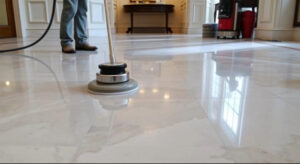
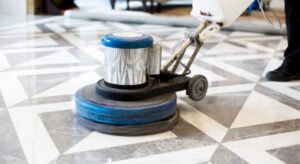
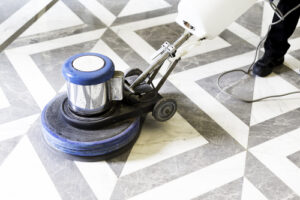
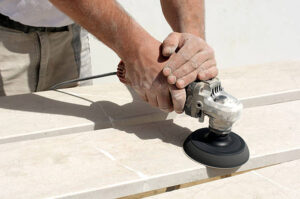
Depending on the condition and desired finish, honing can help smooth scratches and imperfections, while polishing can restore a higher level of shine. Seaside Stone Restoration uses diamond polishing pads as part of its marble restoration process.5. Repairing damaged areas
Cracks, chips, or other defects may need to be addressed before the final finishing process.6. Sealing the marble
Where appropriate, a suitable sealer can help reduce the absorption of moisture and stains. Sealing does not replace polishing or repair, but it can provide an additional layer of protection.7. Final inspection and care recommendations
After restoration, the surface should be checked for consistency, and the property owner should receive guidance on suitable maintenance practices.What should you know before deciding between restoration and replacement?
The condition of your existing marble is the most important factor. Before choosing replacement, consider:- Structural condition: If the marble is generally intact, restoration may be worth considering.
- Extent of damage: Surface scratches, dullness, stains, and etching may often be addressed through restoration.
- Cracks and broken areas: Severe or widespread structural damage may make replacement more appropriate.
- Floor size: Larger floors can make full replacement a significant project.
- Matching requirements: Finding new marble that matches an existing floor's color, veining, and finish may be difficult.
- Installation requirements: Replacement involves removing existing material and installing new flooring.
- Project disruption: Consider how demolition and installation could affect your home or business.
- Long-term maintenance: Ask what care the restored or replacement floor will require.
- Professional assessment: Have an experienced stone professional inspect the marble before making a final decision.
Common problems or mistakes to avoid
Replacing marble before getting a professional assessment
A worn-looking floor may not need replacement. Professional restoration can sometimes significantly improve marble that appears beyond repair.Assuming all damage requires the same treatment
Stains, scratches, etching, and dullness are different problems. Each may require a different restoration method.Using acidic cleaning products
Harsh or acidic cleaners can damage marble because of its calcium-based composition. Using unsuitable products can create etching and increase restoration needs.Choosing DIY polishing methods
Improper polishing techniques can create uneven finishes or additional surface problems. Professional equipment and stone-specific knowledge can help reduce these risks.Comparing only the initial price
Replacement may appear straightforward when comparing material prices alone, but the overall cost can also include demolition, disposal, new material, preparation, installation, and finishing.Delaying restoration for too long
Ignoring stains, scratches, etching, and other surface problems may allow wear to become more extensive. Early assessment can help property owners understand their options.When should you consider marble restoration?
Professional restoration may be appropriate when your marble has:- A dull or faded appearance
- Scratches or surface abrasions
- Etch marks
- Persistent stains or discoloration
- Dirt and grime buildup
- Loss of natural shine
- Minor chips or surface imperfections
- Worn high-traffic areas
- Uneven appearance
How can marble refinishing help reduce replacement costs?
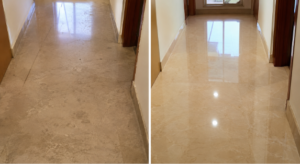
Marble refinishing can improve the existing surface without requiring complete floor replacement. Depending on the condition of the stone, refinishing may involve cleaning, honing, polishing, repairs, and protective treatment. This approach can be particularly valuable when the underlying marble is still structurally sound but has lost its original appearance. Instead of removing the existing material, professionals can work with the stone already installed.The potential savings come from avoiding some replacement-related expenses, including:
- Removal of existing marble
- Disposal of old material
- Purchase of new marble
- Subfloor preparation
- New installation
- Additional finishing work
When might replacing marble be a better option?
Restoration is not always the right solution. Replacement may be worth considering when the marble has severe structural damage or when the property owner wants a completely different material or design.Replacement may be appropriate when:
- Large sections are severely cracked or broken
- The underlying installation has significant problems
- The marble cannot achieve the desired result through restoration
- Extensive areas require replacement anyway
- The owner wants a completely different flooring material
- The existing marble no longer suits the property's design
Why choose Seaside Stone Restoration for marble restoration?
Seaside Stone Restoration provides professional marble restoration services for residential and commercial properties in Oceanside, Carlsbad, Encinitas, Vista, and nearby areas. The company states that it has more than 15 years of experience in stone restoration and uses specialized tools and techniques for natural stone surfaces. Its marble services include polishing, honing, stain removal, sealing, resealing, repairs, and restoration. The company also states that its technicians use eco-friendly cleaning products and industry techniques for marble restoration projects. For property owners considering marble floor polishing, professional assessment is important because the appropriate finish depends on the existing condition of the stone. Polishing can restore shine, while honing may be more appropriate for certain scratches, etching, or worn surfaces. Whether you own a home or commercial property, Seaside Stone Restoration can assess your marble and help determine whether restoration is a practical alternative to replacement.Conclusion
Marble restoration is often a more economical alternative to replacing an entire floor when the existing stone remains structurally sound. Professional cleaning, honing, polishing, refinishing, repairs, and sealing can address many common signs of wear while preserving the marble already installed. However, severe structural damage may make replacement more appropriate. Before making a costly decision, have your marble professionally assessed and compare the complete cost and scope of both options. Seaside Stone Restoration provides professional marble restoration for residential and commercial properties and can help you determine the right approach for your floors. Thinking about replacing your marble floors? Contact Seaside Stone Restoration today for a free restoration estimate!Frequently asked questions
1. What does marble restoration include?
It may include cleaning, stain removal, honing, polishing, repairs, sealing, and other treatments based on the marble's condition.2. How much does marble restoration cost?
Cost depends on the floor size, marble condition, damage, and restoration work required. A professional estimate provides more accurate pricing.3. How long does marble restoration take?
The timeframe depends on the size of the project, condition of the marble, and treatments required.4. Can damaged marble floors be restored?
Yes, many worn or damaged marble floors can be restored. Severe structural damage may require replacement.5. Should I restore or replace my marble floor?
If the marble is structurally sound, restoration may be a more cost-effective option. A professional assessment can help you decide.- granite restoration
- Marble Cleaning
- Stone Restoration
- Travertine Discolouration
- travertine floor

 .
.