+1 760-685-3909

Home/ Blog Details
How to Clean Travertine Floors Naturally
10 July, 2026
Travertine flooring is admired for its timeless beauty, durability, and natural elegance. Whether installed in a kitchen, bathroom, living room, or patio, it enhances the aesthetic appeal of any property. However, because travertine is a porous natural stone, it requires proper maintenance to preserve its finish and structural integrity. Unlike ceramic or porcelain tiles, travertine can be easily damaged by harsh chemicals, abrasive tools, or acidic cleaners. Learning the correct methods of travertine floor cleaning is essential to keeping your floors spotless without compromising their natural charm. In this comprehensive guide, Seaside Stone Restoration shares expert techniques, natural cleaning methods, and maintenance tips to help homeowners protect their investment while reducing the need for extensive travertine floor restoration in the future.
Why Travertine Floors Need Special Care
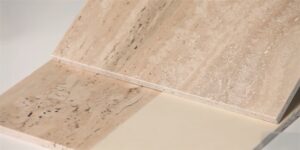
Travertine is a sedimentary limestone formed naturally over thousands of years through mineral-rich water deposits. While its distinctive texture and earthy appearance make it highly desirable, its porous composition also makes it more vulnerable to stains, moisture absorption, and surface etching. Everyday substances such as coffee, wine, cooking oil, and even plain water can seep into unsealed stone, while acidic cleaners like vinegar or lemon juice can permanently dull the finish. This is why travertine floor cleaning should always involve stone-safe products and gentle techniques. Regular maintenance prevents premature deterioration, preserves the protective seal, and extends the lifespan of the flooring. With proper care and guidance from Seaside Stone Restoration, homeowners can enjoy beautiful travertine floors for decades while avoiding unnecessary repairs and costly travertine floor restoration services.Gather the Right Natural Cleaning Supplies
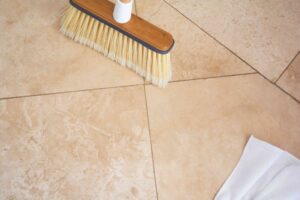
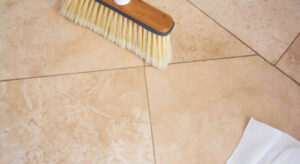
Using the correct cleaning supplies is the first step toward maintaining healthy travertine floors. Unlike synthetic chemical cleaners, natural stone-friendly products protect the finish while effectively removing dirt and grime. Essential tools include a microfiber dust mop, a soft-bristle broom, a vacuum designed for hard surfaces, microfiber towels, warm water, and a pH-neutral cleaner formulated specifically for natural stone. These gentle materials help prevent scratches, preserve the stone's natural sheen, and remove debris without causing damage. Avoid steel wool, rough scrub brushes, bleach, ammonia, or multi-purpose cleaners that contain acidic ingredients. Investing in proper cleaning equipment not only makes routine travertine floor cleaning more effective but also helps reduce the likelihood of future travertine floor restoration, saving both time and money in the long run.Remove Dust and Loose Dirt Before Cleaning
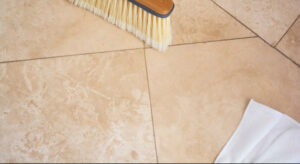
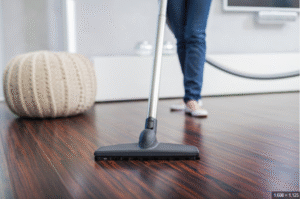
Before introducing any moisture to your travertine floors, it is important to eliminate loose dirt, sand, and debris. Tiny particles trapped beneath a mop can act like sandpaper, gradually scratching the stone's surface and diminishing its natural polish. Use a microfiber dust mop, soft broom, or vacuum with a hard-floor attachment to clean every corner thoroughly, paying special attention to entryways and high-traffic areas. Homes located near beaches or coastal environments often accumulate more sand, making this step even more critical. Performing this simple task several times each week significantly improves the effectiveness of travertine floor cleaning while minimizing surface wear. Consistent removal of abrasive particles also helps preserve the stone's finish and delays the need for professional travertine floor restoration.Clean the Floor with Warm Water and a pH-Neutral Cleaner
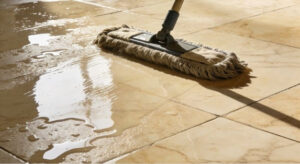
Once loose debris has been removed, proceed with gentle cleaning using warm water and a pH-neutral cleaner formulated specifically for natural stone. Slightly dampen a microfiber mop rather than soaking it, as excessive moisture can penetrate the porous surface and grout lines. Apply the stone cleaner according to the manufacturer's instructions and mop the floor using smooth, overlapping strokes. The pH-balanced solution safely removes dirt, oils, and everyday residue without stripping away the protective seal or damaging the stone. Avoid homemade vinegar or citrus-based cleaning mixtures, as their acidity can permanently etch travertine. Proper travertine floor cleaning using professional-grade products helps preserve the stone's natural appearance while reducing the likelihood of expensive travertine floor restoration later.Dry the Surface Immediately After Cleaning
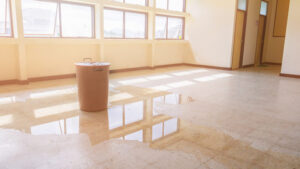
Many homeowners overlook the importance of drying travertine floors after mopping, yet this simple step plays a major role in protecting natural stone. Standing water can seep into microscopic pores, leading to mineral deposits, discoloration, mold growth, and water spots over time. After cleaning, use a soft microfiber towel or dry mop to remove all remaining moisture from the surface. Drying also restores the floor's natural shine without requiring chemical polishing products. This habit is particularly important in bathrooms, kitchens, and humid climates where moisture levels are naturally higher. Making immediate drying part of your regular travertine floor cleaning routine helps preserve the finish and reduces the risk of needing professional travertine floor restoration.Clean Spills Immediately to Prevent Permanent Stains
Travertine is naturally absorbent, making quick spill cleanup one of the most important aspects of stone maintenance. Liquids such as coffee, tea, wine, fruit juice, cooking oils, and pet accidents can penetrate the stone if left unattended, creating stains that are difficult to remove. Whenever a spill occurs, blot the liquid gently with a soft microfiber cloth instead of wiping, as wiping can spread the stain across a larger area. After blotting, clean the area with a damp cloth and dry it thoroughly. Prompt attention helps prevent discoloration, protects the stone's finish, and minimizes the need for extensive travertine floor restoration. Consistent spill management is an essential component of successful travertine floor cleaning.Natural Maintenance Habits That Keep Travertine Beautiful
Routine maintenance is just as important as deep cleaning when caring for travertine flooring. Sweep or vacuum frequently to remove abrasive dirt, especially in high-traffic areas. Place entrance mats at every doorway to reduce the amount of sand and debris brought indoors. Use felt pads beneath furniture legs to prevent scratches and avoid dragging heavy objects across the floor. Wipe up moisture immediately after bathing, cooking, or mopping to prevent water absorption. Additionally, reseal your travertine every one to three years depending on traffic levels and manufacturer recommendations. These simple maintenance practices complement regular travertine floor cleaning, preserve the stone's natural beauty, and significantly delay the need for professional travertine floor restoration.Common Cleaning Mistakes Every Homeowner Should Avoid
Many well-intentioned homeowners unknowingly damage their travertine floors by using inappropriate cleaning methods. Acidic products such as vinegar, lemon juice, and many bathroom cleaners can permanently etch the stone. Steam cleaners may force moisture deep into the porous surface, weakening the seal over time. Abrasive scrub brushes and steel wool can scratch polished finishes, while excessive water during mopping increases the risk of moisture damage. Ignoring minor stains also allows them to become permanent. Understanding these common mistakes is essential for effective travertine floor cleaning. Avoiding improper techniques not only protects your investment but also helps homeowners postpone costly travertine floor restoration procedures that could otherwise have been prevented through proper care.When Professional Travertine Floor Restoration Is Needed
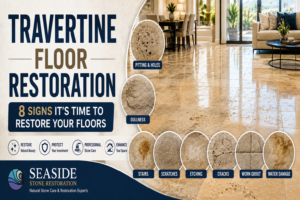
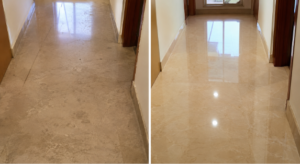
Even with consistent maintenance, natural stone experiences gradual wear over time. Deep scratches, stubborn stains, dull finishes, cracked grout, uneven polishing, and severe etching are all signs that professional intervention may be necessary. Unlike routine cleaning, travertine floor restoration involves advanced techniques such as honing, polishing, deep stain extraction, grout repair, crack filling, and premium sealing to restore the stone's original appearance. Attempting these repairs without professional knowledge can often worsen the damage. When your flooring begins showing visible signs of aging, working with experienced specialists ensures the best possible results. Professional restoration not only improves appearance but also strengthens the stone, extending its lifespan for many additional years.Why Choose Seaside Stone Restoration?
Choosing an experienced stone care specialist makes a significant difference in the long-term performance of your flooring. Seaside Stone Restoration provides comprehensive travertine floor cleaning and travertine floor restoration services using advanced equipment, industry-approved techniques, and premium stone-safe products. Their skilled technicians understand the unique characteristics of natural travertine and tailor each service to meet the specific condition of the floor. Whether your stone requires deep cleaning, stain removal, polishing, sealing, or complete restoration, they focus on delivering exceptional craftsmanship and long-lasting results. Their commitment to quality, attention to detail, and customer satisfaction has earned them a trusted reputation among homeowners seeking reliable natural stone care solutions.Final Thoughts
Travertine floors are a valuable investment that can maintain their beauty for decades when cared for properly. Establishing a routine of gentle travertine floor cleaning, using pH-neutral products, removing dirt regularly, cleaning spills immediately, and resealing the stone when necessary all contribute to preserving its natural elegance. Avoiding harsh chemicals and improper cleaning methods prevents unnecessary damage while extending the life of the flooring. When signs of wear become too significant for routine maintenance alone, professional travertine floor restoration offers the most effective solution for renewing the surface. With expert services from Seaside Stone Restoration, homeowners can confidently protect, restore, and enjoy their beautiful travertine floors for many years to come.- granite restoration
- Marble Cleaning
- Stone Restoration
- Travertine Discolouration
- travertine floor

 .
.