Marble floors add elegance and long-term value to residential and commercial properties, but daily foot traffic, spills, scratches, and improper cleaning can gradually diminish their appearance. When marble starts looking dull or worn, replacement is not always necessary. Professional restoration can address many surface problems while preserving the existing stone. Understanding the benefits of restoring marble floors instead of replacing them can help homeowners and commercial property owners make a practical decision for their property.
Quick answer
Restoring marble floors can be a cost-effective alternative to replacement when the existing stone is structurally sound. The five main benefits are potentially lower project costs, preservation of original marble, improved appearance, a longer useful life, and less disruption during the work. Depending on the floor's condition, professionals may recommend deep cleaning, honing, polishing, repairs, or sealing. However, severely cracked or structurally damaged flooring may still require replacement after a professional assessment.
What is marble floor restoration?
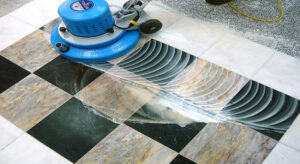
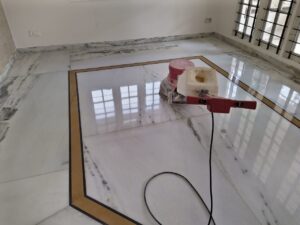
Marble floor restoration is the process of improving worn, dull, scratched, stained, or damaged marble using treatments suited to its condition. Instead of removing the entire floor, a professional evaluates the surface and determines which methods can improve its appearance and performance.
Depending on the project, restoration may include:
- Deep cleaning and stain removal
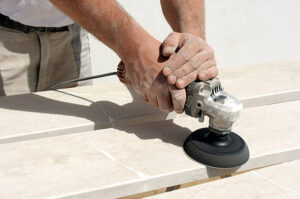
- Honing to smooth surface imperfections
- Polishing to improve the stone's natural shine
- Repairing suitable chips and cracks
- Refinishing worn areas
- Sealing when appropriate
Seaside Stone Restoration provides marble restoration services for residential and commercial surfaces, including floors, countertops, bathrooms, and patios. The appropriate treatment depends on the stone's condition and the finish the property owner wants to achieve.
What are the top 5 benefits of restoring marble floors?
1. Reduce the potential cost of flooring improvements
One of the main advantages of restoration is that it may cost less than removing and replacing an existing marble floor. Replacement can involve demolition, disposal, purchasing new stone, preparing the subfloor, installation, and additional labor.
Professional restoration may avoid many of these expenses when the existing marble remains in good structural condition.
The final cost depends on the floor's size, level of damage, accessibility, and required treatment. Requesting an inspection and itemized estimate can help you compare the actual cost of restoration with replacement.
2. Restore the natural beauty of existing marble
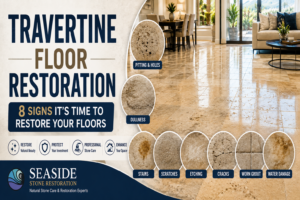
Marble can lose its shine and develop dull patches, scratches, etching, and stains over time. These problems can make an otherwise attractive floor look neglected.
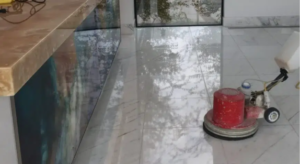
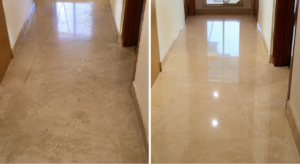
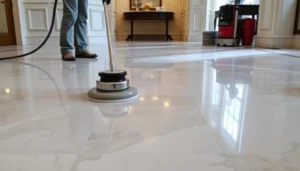
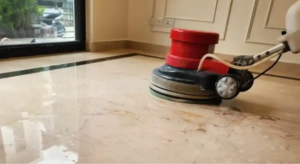
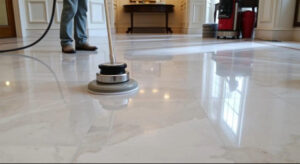
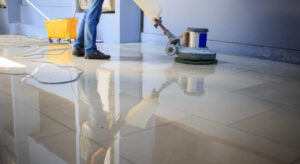
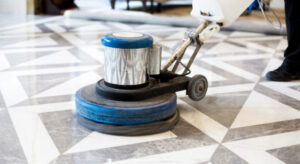
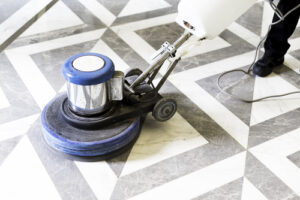
Professional marble floor polishing can improve the surface's smoothness and natural reflectivity when polishing is suitable for the stone. Floors with deeper scratches or etching may need honing or grinding before polishing.
This approach helps preserve the marble's original veining, color variations, and distinctive character rather than replacing it with a different stone.
3. Extend the useful life of your marble flooring
Marble is a durable natural material, but it still requires appropriate care. Dirt, grit, spills, harsh chemicals, and neglected surface damage can contribute to deterioration.
Professional marble restoration can address suitable surface problems through cleaning, honing, polishing, repairs, and sealing when needed. Following restoration with proper maintenance can help preserve the floor's appearance and extend its useful life.
For homeowners, this can help protect an existing flooring investment. For commercial property owners, regular care can help maintain an attractive appearance in offices, hotels, restaurants, and other frequently used spaces. Restoration cannot reverse every type of damage, so structural issues should be assessed separately.
4. Preserve your property's appearance and value
Well-maintained marble can contribute to the overall appeal of a home or commercial property. Dull, stained, or visibly worn floors may detract from an otherwise well-kept interior.
Professional marble restoration can improve the appearance of suitable marble surfaces without changing the original flooring material. This can be particularly useful when preparing a home for sale, refreshing a rental property, or maintaining a professional environment for customers and visitors.
Although restoration does not guarantee a higher property value, maintaining existing marble can help preserve an important design feature and improve the overall presentation of the space.
5. Avoid much of the disruption associated with replacement
Removing marble flooring can create noise, dust, debris, and interruptions to normal property use. New flooring may also require additional time for preparation, installation, and finishing.
Restoration can often reduce this disruption because the existing stone remains in place. The project may still require preparation, restricted access to work areas, and appropriate drying or curing time, depending on the treatments used.
For commercial properties, a professional may be able to plan the work around business hours or divide the project into sections. The actual schedule depends on the floor's condition and the scope of work.
How does professional marble cleaning help protect floors?
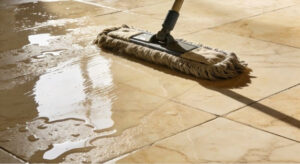
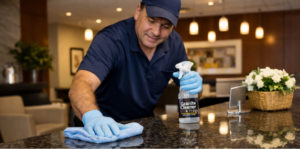
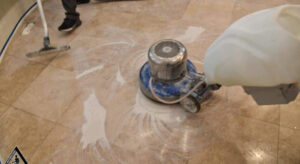
Professional marble cleaning removes dirt, grime, spills, and surface residue that ordinary maintenance may leave behind. It also provides a clean surface for evaluating whether further restoration is necessary.
A typical professional approach may include:
- Inspecting the marble and identifying surface problems.
- Removing loose dirt and debris.
- Deep cleaning with products suitable for natural stone.
- Assessing stains, scratches, and etching.
- Recommending honing, polishing, repairs, or sealing when required.
Cleaning alone cannot repair deep scratches or chemical etching. A professional should explain whether the floor needs basic cleaning or a more extensive treatment. Seaside Stone Restoration describes marble cleaning using water-based, non-acidic solutions, with additional treatments selected according to the surface's condition.
What is the difference between marble restoration and replacement?
| Factor |
Restoration |
Replacement |
| Existing stone |
Preserves suitable marble |
Removes existing marble |
| Project costs |
May be lower |
Includes new material and installation |
| Demolition |
Usually limited |
Generally required |
| Project disruption |
Often reduced |
Can be more extensive |
| Appearance |
Improves the existing surface |
Provides newly installed flooring |
| Best suited for |
Repairable surface wear |
Severe damage or major design changes |
The right choice depends on the floor's structural condition, your budget, and the result you want. A professional inspection can help establish whether restoration is a realistic option.
Can marble tile polish improve worn floors?
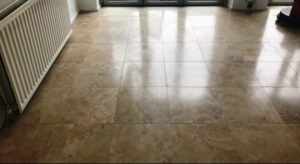
A professional marble tile polish treatment may improve the appearance of suitable marble tiles by refining the surface and restoring its natural luster. However, polishing is not the same as routine cleaning, and not every floor needs a high-gloss finish.
Depending on the condition, technicians may need to hone or repair the marble before polishing. They should also consider the existing finish and the property's use when recommending a treatment.
For busy homes and commercial spaces, the goal should be an appropriate, consistent finish that suits the floor's condition and maintenance requirements, rather than shine alone.
What should homeowners and commercial property owners consider?
Before choosing restoration or replacement, consider these factors:
- Structural condition: Determine whether cracks or damage affect the integrity of the floor.
- Extent of surface wear: Dullness, stains, and minor scratches may be treatable through restoration.
- Desired appearance: Restoration preserves the existing stone, while replacement allows a complete design change.
- Project budget: Compare restoration with the full cost of removal, disposal, materials, and installation.
- Property use: Commercial floors may need more frequent maintenance due to heavier foot traffic.
- Maintenance requirements: Ask how to care for the surface after the work is completed.
A qualified restoration professional should explain the likely results, limitations, and recommended treatment before work begins.
Common mistakes to avoid when maintaining marble floors
Using acidic cleaning products
Vinegar, lemon juice, and other acidic substances can etch marble and leave dull marks. Use products formulated for natural stone.
Assuming cleaning will remove every imperfection
Cleaning removes surface contamination but cannot necessarily correct scratches, etching, or worn finishes.
Applying coatings to create temporary shine
Unsuitable coatings can affect the marble's appearance and complicate future maintenance. Ask a professional which treatment is appropriate for your floor.
Delaying repairs
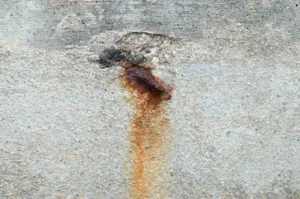
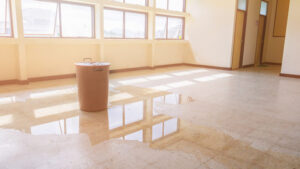
Unaddressed chips, cracks, or recurring moisture problems may become more difficult to manage. Have concerning damage assessed promptly.
Skipping routine maintenance after restoration
Use pH-neutral stone cleaners, remove spills promptly, and reduce the amount of grit tracked across the floor. Follow the technician's recommendations for sealing and ongoing care.
When should you hire a professional marble restoration company?
Consider professional service when your marble floors show persistent dullness, visible scratches, etching, stubborn stains, uneven shine, or other damage that routine cleaning cannot resolve.
An experienced technician can inspect the surface and determine whether cleaning, honing, polishing, repairs, or sealing is appropriate. Replacement may be necessary if the floor has severe structural damage or cannot be restored to a satisfactory condition.
Seaside Stone Restoration offers marble restoration and related natural stone services for residential and commercial properties in Oceanside, Carlsbad, Encinitas, Vista, San Diego, and nearby areas. The company provides free estimates to help property owners understand their restoration options.
Why choose Seaside Stone Restoration?
Seaside Stone Restoration specializes in natural stone maintenance and restoration for residential and commercial properties. Its marble services include deep cleaning, honing, polishing, stain removal, repairs, and sealing based on the condition of the surface.
The company emphasizes specialized equipment, stone-appropriate cleaning methods, and tailored restoration techniques. Whether your marble floor has lost its shine or developed visible surface wear, a professional assessment can help determine whether restoration is a suitable alternative to replacement.
Conclusion
Restoring marble floors instead of replacing them can offer several advantages, including potential cost savings, preservation of the original stone, improved appearance, a longer useful life, and less disruption. The best results depend on the condition of the marble and the treatments required. Before investing in new flooring, consider having your existing surface professionally assessed. Seaside Stone Restoration provides marble cleaning, polishing, repairs, and restoration services for residential and commercial properties to help keep natural stone looking its best.
Contact Seaside Stone Restoration today to restore your marble floors and get a free estimate!
Frequently asked questions
1. Is restoring marble floors cheaper than replacing them?
Restoration may cost less when the existing marble is structurally sound and the problems are mainly surface-level. The actual cost depends on the condition and size of the floor.
2. Can dull marble floors regain their shine?
Yes. Depending on the cause of dullness, professional cleaning, honing, and polishing can improve the marble's appearance.
3. How long does marble floor restoration last?
The results depend on foot traffic, the restoration process, cleaning habits, and ongoing maintenance. Proper care helps preserve the finish.
4. Can scratched marble floors be restored?
Many surface scratches can be reduced or corrected through professional honing and polishing. Deep damage requires an individual assessment.
5. Does marble restoration include sealing?
Sealing may be included or recommended depending on the marble's characteristics, condition, and exposure to spills and moisture.
6. When should marble floors be replaced instead of restored?
Replacement may be appropriate when the floor has severe structural damage, extensive cracking, or cannot achieve the desired result through restoration.
7. Does Seaside Stone Restoration provide residential and commercial marble services?
Yes. Seaside Stone Restoration provides marble restoration and related stone care for residential and commercial properties in Oceanside and nearby service areas.

 +1 760-685-3909



 .